Browse Exhibits (180 total)
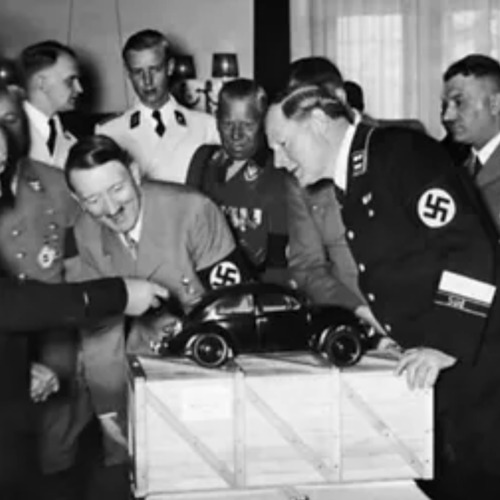
In this project, we will examine various aspects of the German Wartime economy, including forced labor systems, concentration camps, and post-war recovery. By exploring the different layers of the industrial and wartime economy, we hope to shed light on how forced labor was a central aspect of the economy and not a side product of the Nazi regime.
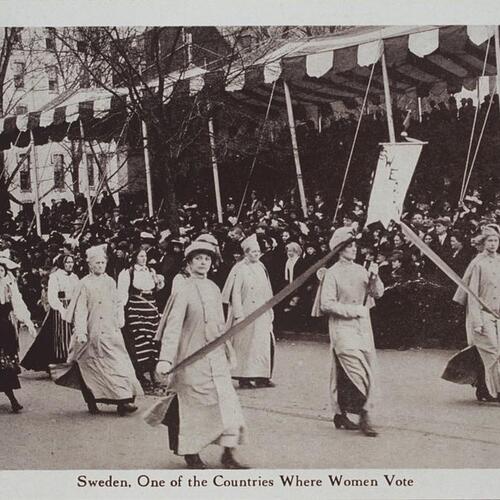
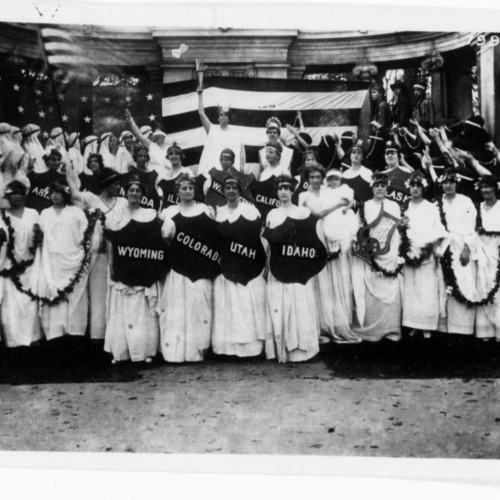
This website explores the womens suffrage movement, specifically in the West and Wyoming where the first women was granted the right to vote. Through the careful exploration of key suffragists and daily life during this time period, we will explore what it meant to be a women suffragist who changed the trajectory of womens rights, transcending the bounds of gender expectations. Ultimately, this website will reflect on the long term impact of the suffrage movement in Wyoming.
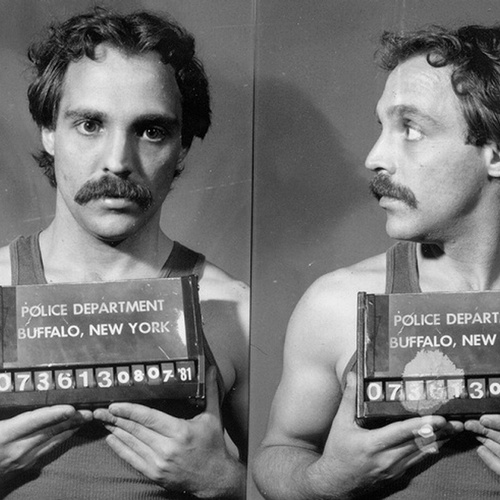
In the 1960s–1970s, the United States underwent a series of profound social and political transformations that fundamentally redefined the relationship between the people and the state. While global events like the Vietnam War and the Cold War provided a backdrop of high-stakes tension, the domestic front was characterized by an unprecedented wave of mass social movements, including the fight for Civil Rights, Black Power, and Queer Liberation. Younger generations, in particular, began to question authority and social norms, moving away from the "politics of respectability" toward radical demands for systemic change and "human rights"
The Great Depression or the Great Survival
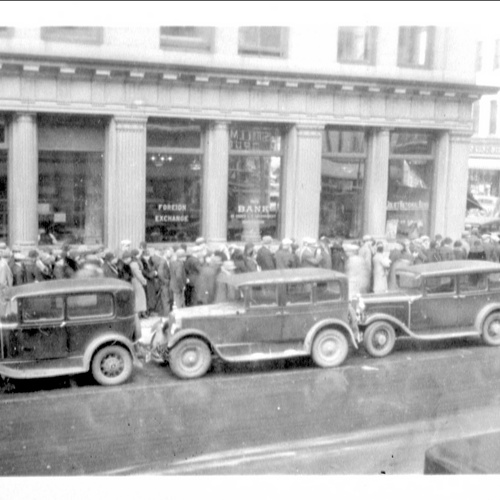
Explore one of the greates economic collapses in the wolrd. This project examines how the 1929 economic collapse directly impacted everyday people world wide, examines the devistating bank impact that wiped out savings, and examines the global struggle to survive.
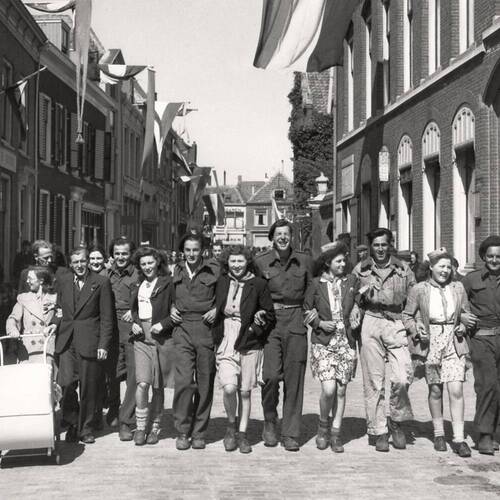
Our exhibit is about World War II in Europe from 1939 to 1945. It focuses on how the war began, how it spread throughout different European countries, and how it affected both the soldiers and civilians. The exhibit looks at major events such as invasions, battles, the occupation, resistance movements and freedom. It also shows how everyday life changed during the war, including shortages, oppression, and survival under difficult conditions. The goal is to help the visitors understand both the military history of the war and its impact on the people across Europe.
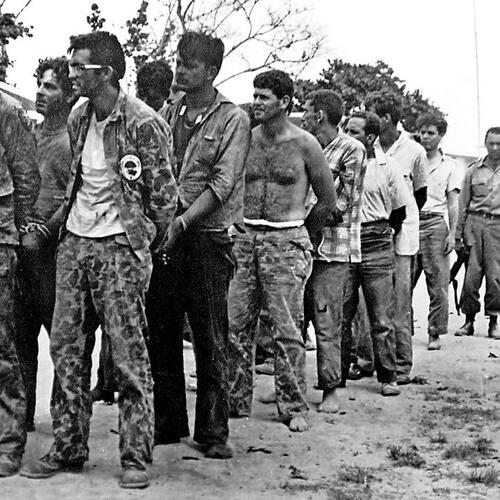
Cold War Exhibit for HIST 27/127 Spring 2026
In this project we aim to examine the relationships and actions of the US internationally during the Cold War. While there is currently a wealth of scholarship focusing on the relations of the US and the USSR and the US and Europe during the Cold War, we aim to explore relations that are less commonly studied.
Our digital history exhibit will examine World War II in the Pacific Theater. Spanning from the late 1930s to 1945, the Pacific War involved dozens of nations, millions of military personnel, and civilians. It was a crucial geopolitical conflict that shaped and continues to shape Asia today. The Pacific War emerged from smaller, regional conflicts particularly in East Asia until it merged into the global World War II conflict with the United States’ declaration of war on Japan after the bombing of Pearl Harbor. We will explore the military, humanitarian, and ideological aspects of the war, and how the war’s end reshaped the political map of Asia, leading to the Cold War.
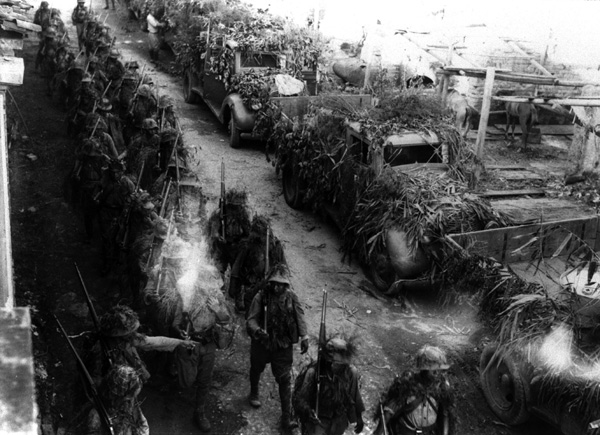
Our first subtopic lead by Emilie is on the Second Sino-Japanese War that spanned from 1937, before the “start” of WWII in the European theater, to the end of WWII in 1945. This section will look into the origins and the escalation of Japan’s war against China and how it served as both a precursor to and an important part of the broader Pacific War. It includes the Nanjing Massacre, the Chinese resistance, and will detail the different events that took place in between.
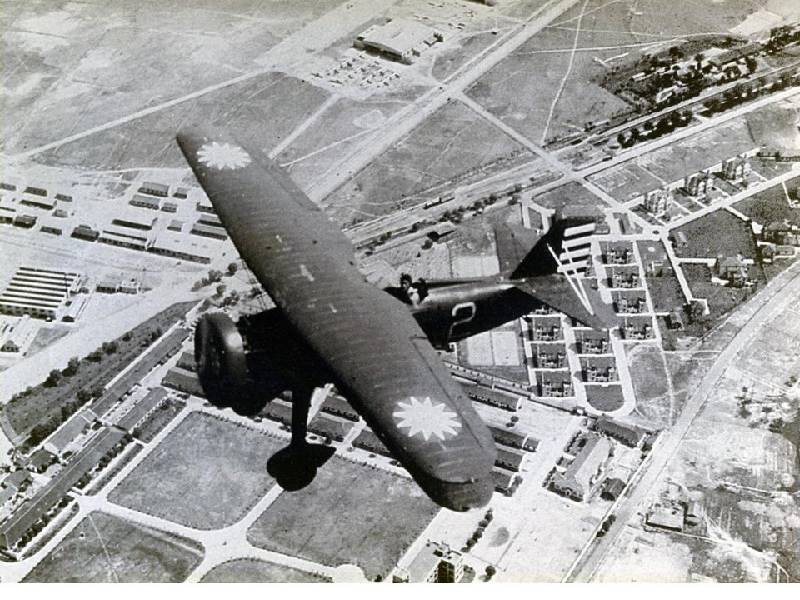
Our second subtopic lead by Chelsea is on the air forces in the Pacific Theater from 1941 to 1945. Because the Pacific Theater had limited land area, aircraft were more heavily utilized for both transportation and combat. There were numerous operations in the Pacific War where air power played a critical role. This section will explore the impact of air forces in the theater and the personal experiences of pilots from different perspectives. By looking at these individual stories, we aim to provide the audience with a broader and deeper understanding of the Pacific War.
What You'll Find
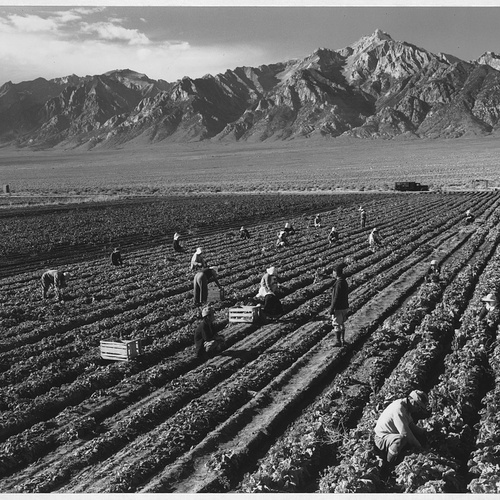
This digital exhibit explores the history of California agriculture between the 1930's to 1970's, particularly through the lens of farm labor, highlighting the struggles, policies, and programs that shaped the lives of agricultural workers. Focusing on key themes such as farm worker strikes, labor policies, and the Bracero Program, the exhibit examines how economic demands and political decisions influenced working conditions, wages, and rights in one of the nation’s most important agricultural regions.
Objectives For Learning
Through historical narratives, primary sources, and visual materials, the exhibit reveals the resilience and activism of farm workers who organized for fair treatment and labor protections. It also analyzes how government policies and guest worker programs both supported agricultural growth and contributed to systemic inequalities. By connecting these topics, the exhibit invites viewers to better understand the social, economic, and ethical dimensions of California’s agricultural history and its lasting impact on labor rights today.
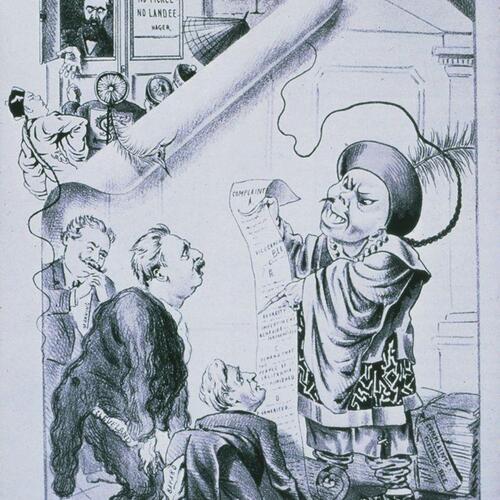
Our project looks at and explores how immigration was shaped by and shaped American society and culture from the mid-19th century to the end of the Cold War. Topics like naturalization and citizenship, The Bracero Program, Cold War immigration policy, and political cartoons we show how immigrants were portrayed, regulated, and debated within America. The first page, Belonging In America, was completed by Will Petersen. The second page, Gaining Citizenship, was written by Henry Boylston. The Bracero Program page was completed by Matthew Robles. Finally, the research and webpage for Immigration During the Cold War was done by Will Stern.
Class home page description for this exhibit.