The Dresden Codex
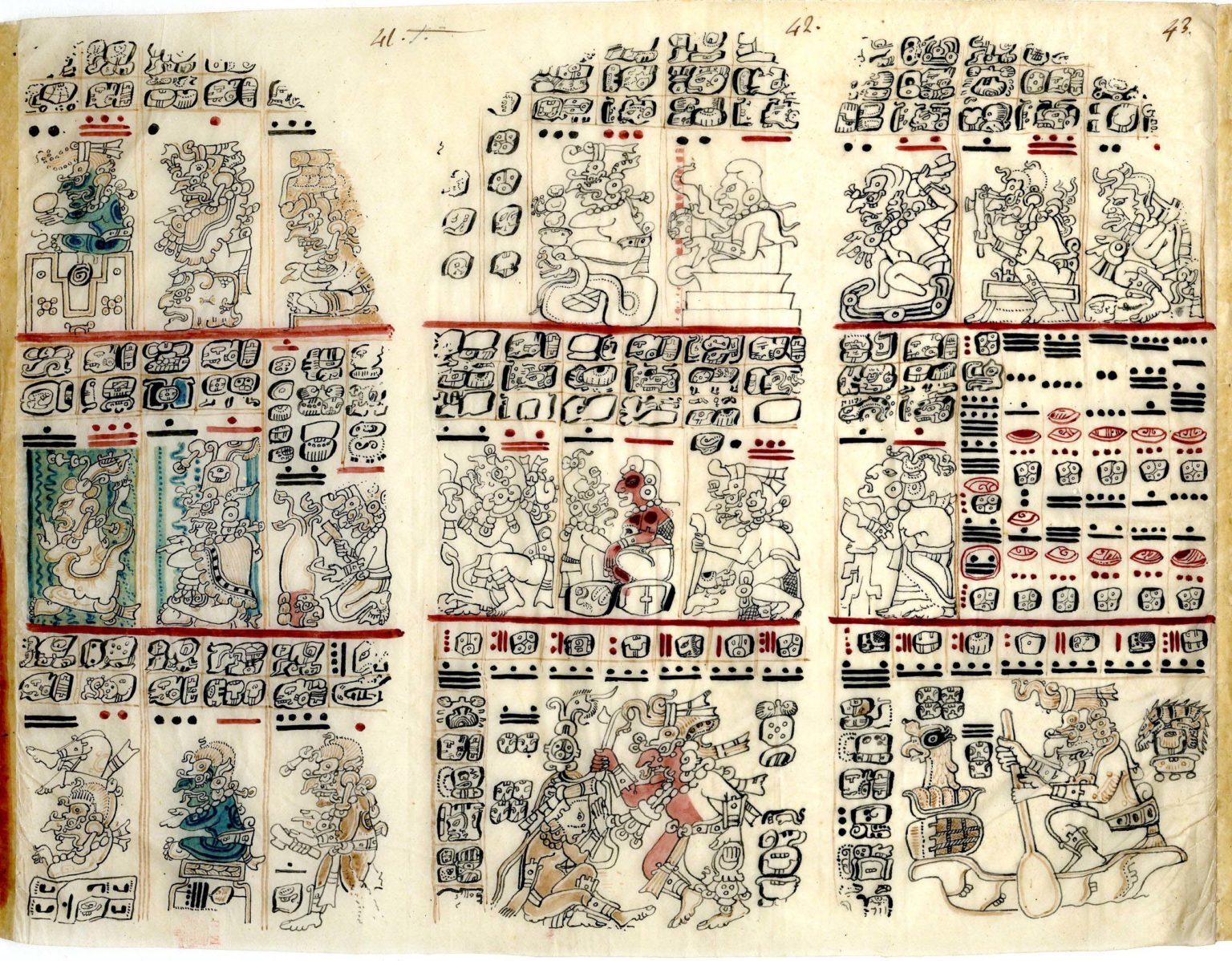
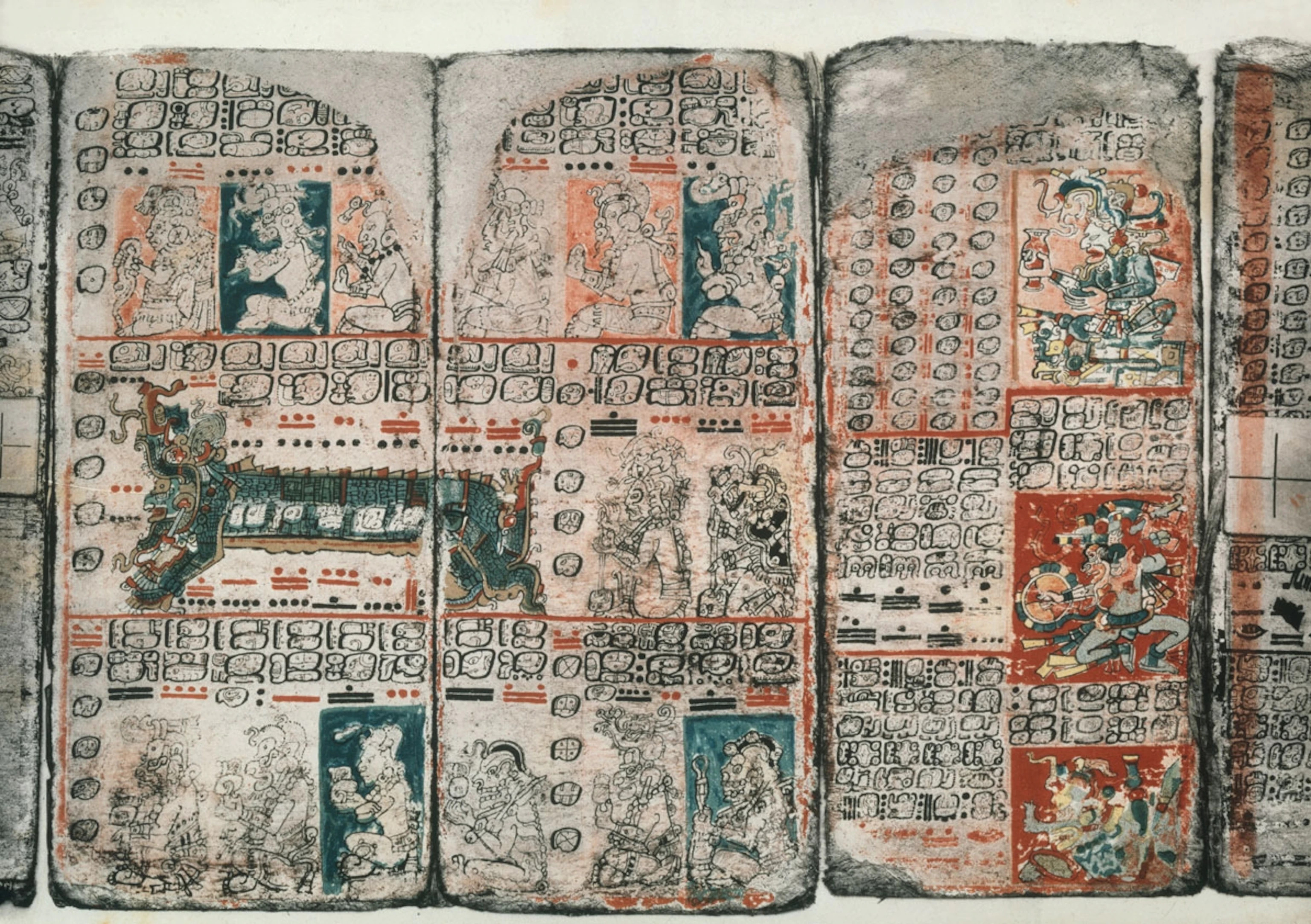
The Dresden Codex was written in the 11th or 12th century and was purchased as a “Mexican book” in Vienna for the Dresden court library in 1739. It is one of only 4 surviving Mayan manuscripts, and it is the most complete and intricate work of them all. Because of this manuscript we have learned an abundance of information regarding the intelligence and intellectual knowledge the Mayans contained surrounding Astronomy. However, this was only identified as a Mayan manuscript in 1853. This item was originally folded like a sort of accordion and contained hieroglyphs from the Maya written with, a “chalk-coated writing material, amatl, is a paper-like matter produced from fig-tree fiber by means of soaking and beating” (The Dresden Codex. | Library of Congress). As being considered one of the great works by the Maya, the Dresden Codex contains information on an abundance of complex systems such as locations and depictions of the Rain God, new years ceremonies and celebrations with instructions relating as to how to perform them, eclipses of both the sun and moon, the phases of Venus with their calculations, and finally ritual and divination calendars. As we can see from the contents, the Mayans were very ahead-of-their-time concerning astronomy and they even created a 260 day Mayan calendar which coordinated with religious events and ceremonies.