Breaking the Chains of Segregation: The Long Road to Integrated Education in America
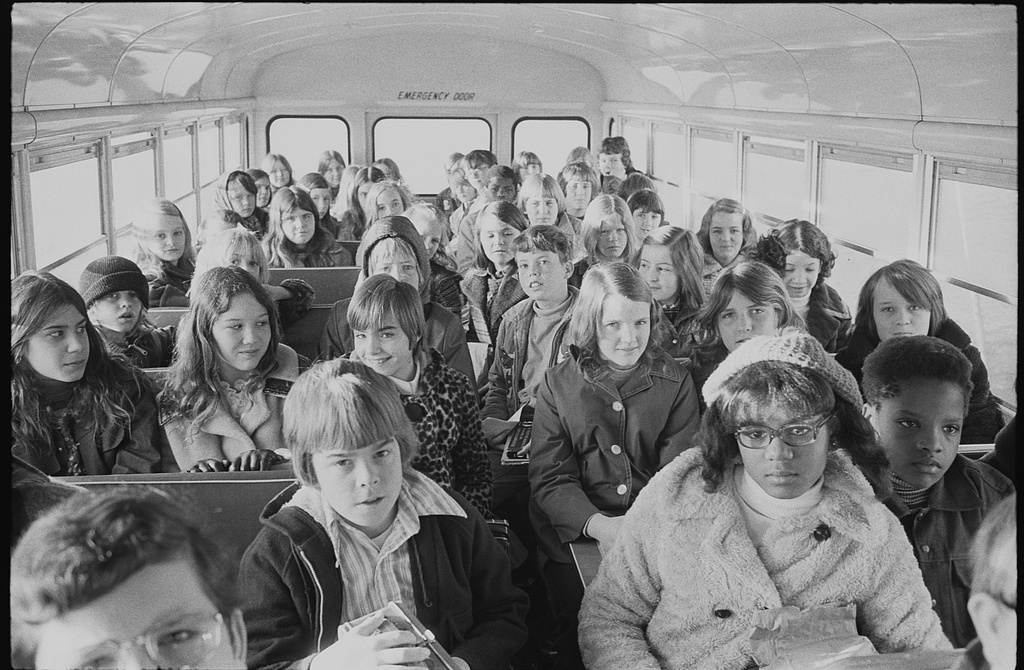
Swann v. Charlotte-Mecklenburg Board of Education (1971)
The 1971 case of Swann v. Charlotte-Mecklenburg Board of Education originated in Charlotte, North Carolina, where the problem of racial disparities in student assignment remained prominent throughout the school district.
The Supreme Court had to decide if the school district had done enough to get rid of the dual school systems that were based on race. In a unanimous ruling, the Court declared that busing students to integrate races was a solution that did not violate the Constitution. The decision upheld the power of federal courts to order busing and other methods to ensure public schools were desegregated effectively, even if it meant students needed to be transported across district lines.

Milliken v. Bradley (1974)
Milliken v. Bradley was a Supreme Court was based on attempts to tackle de facto segregation in the metropolitan area of Detroit, Michigan. The plaintiffs, represented by Bradley, along with the Detroit Board of Education, proposed a metropolitan desegregation plan that involved busing students across district lines to achieve racial balance in schools.
The Supreme Court, in a 5-4 ruling, rejected the proposed desegregation plan. The majority opinion held that the federal district court had overstepped its authority by ordering the busing of students across suburban school district lines to address segregation in the city schools. The Court argued that the suburban school districts could not be compelled to participate in a remedy for the segregation in the city schools since they were not found to be intentionally segregating.
Milliken v. Bradley made it harder to implement wide-ranging metropolitan desegregation plans that crossed jurisdictional lines. The ruling suggested that remedies for de facto segregation should be limited to the district where intentional segregation was proven.