McCloud Lumber mill
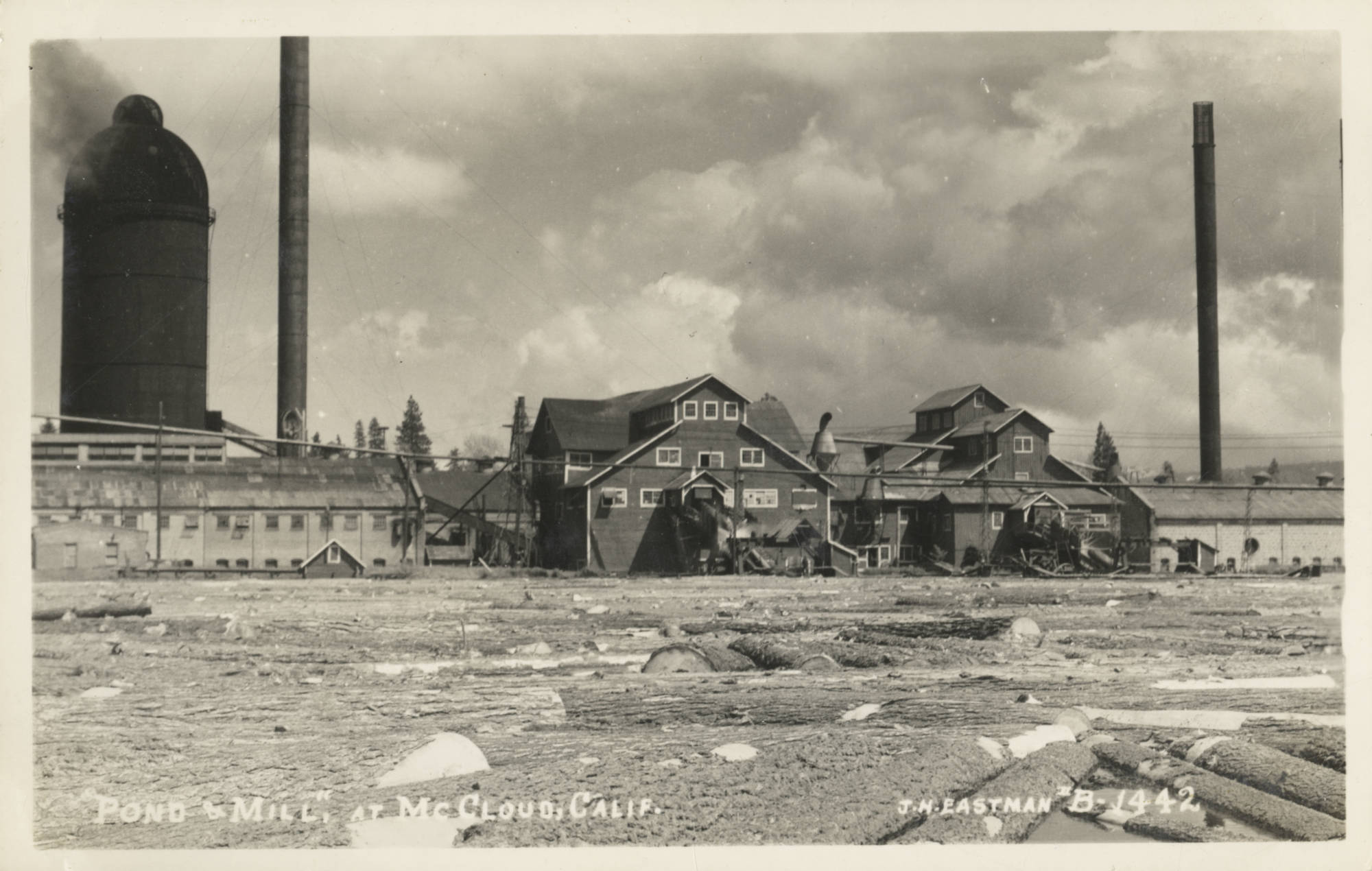
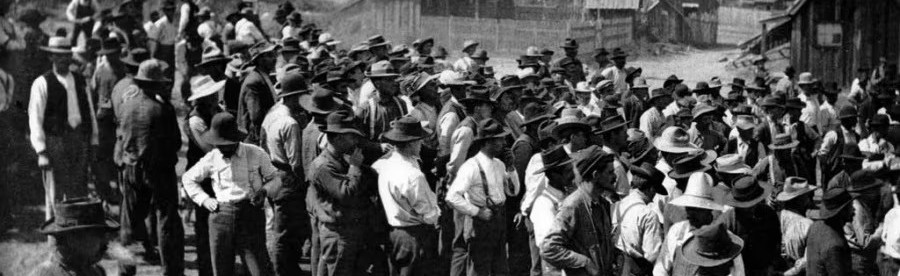
Around 1900, the McCloud River Lumber Company bought and opened a new logging operation in Northern California, and created the town of McCloud California. Laborers were encouraged to buy cabins within the town, and the company built this town from the ground up including amenities such as housing, a theater, bank, and a hospital. This was a major improvement over bunk housing, usually common for workers of the time. However, along with these improvements to living conditions to increase productivity, shifts became longer, up to 10-12 hours a day, with a workweek of 6 days. (The McCloud Strike) The conditions within a lumber mill in general are dangerous, with strenuous activity such as lifting felled logs, mechanisms that could easily catch workers and lead to mangled body parts, and a 26 inch saw blade used to cut the lumber into usable product. This combination of dangerous machinery and exhausted workers only made the conditions more dangerous. It is essential to note that the workforce of this camp was primarily Italian immigrants, with a majority understanding little to no english. Tied with the brutal hours and dangerous working condition, Italian workers were paid less than their American coworkers as they were classified as unskilled labor. Off of their shift, Italian laborers were then subjected to discrimination within stores and around the town. Store owners would use discriminatory language and slurs when talking to Italian workers. Store owners would also charge 25% more for a stick of butter compared to American workers, and up to 33% for important clothing such as work overalls. (M'Cloud) It should be noted too that Italian workers attempting to sell their cabins and find work in another town or a city such as San Francisco, areas much less hostile to Italian workers, would have their cabins severely undervalued. This meant that they would become stuck in McCloud without enough money to move away. Although these working conditions were turning a profit for the McCloud River Lumber Company, they were unethical and dangerous for the Italian workers. Italian workers asked for wage raises that had been promised with the election of President Taft, an extra .25 cents a day added to their base pay of 1.75, and were promptly dismissed by the executive committee running the mill. (The McCloud Strike) In summary, living and working conditions at the McCloud Lumber mill were dangerous, unethical, and discriminatory, leading to Italian workers congregating and striking for the betterment of themselves.