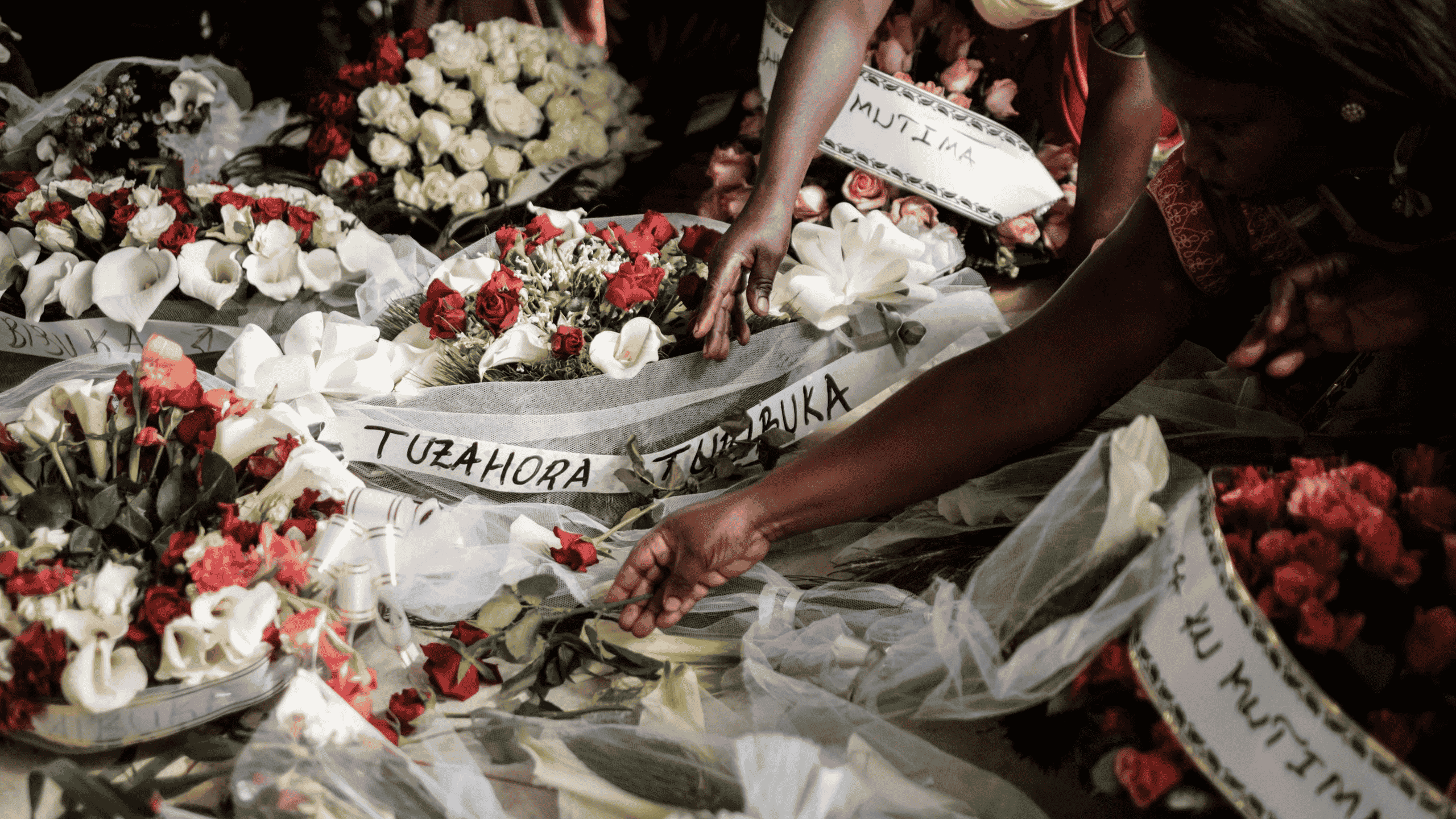
The Rwandan Genocide
Context
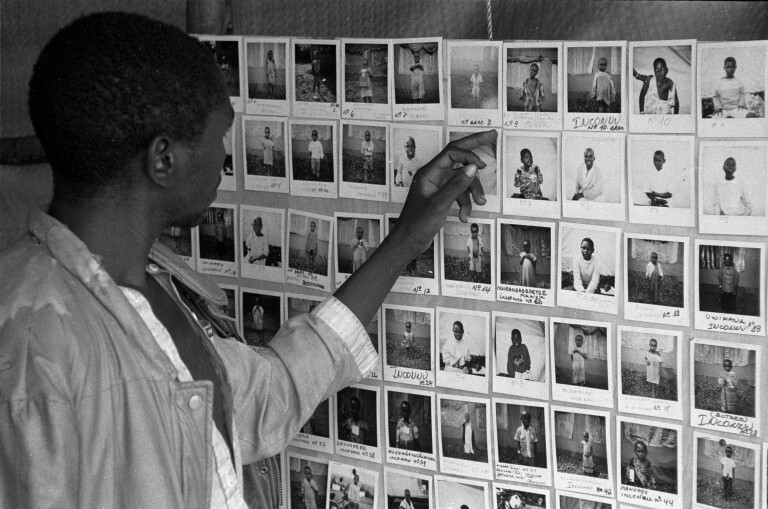
The Rwandan Genocide, which unfolded over a horrifying 100-day period in 1994, remains one of the most devastating human atrocities in modern history. Rooted in long-standing ethnic tensions between the majority Hutu and minority Tutsi populations, these divisions were exacerbated by colonial policies introduced during Belgium's rule. The Belgians institutionalized the ethnic divide, granting political and economic privileges to the Tutsi minority while marginalizing the Hutu majority. Post-independence, this inequity laid the groundwork for cycles of violence, culminating in the systematic extermination of the Tutsi population.
In the months leading up to the genocide, extremist Hutu leaders utilized propaganda to dehumanize the Tutsi minority, referring to them as "inyenzi," or cockroaches, in radio broadcasts and other media. This rhetoric incited hatred and mobilized ordinary citizens to participate in the genocide alongside organized militias like the Interahamwe. By the end of the genocide, over 800,000 Tutsi and moderate Hutu had been killed, with countless more displaced, injured, or psychologically scarred.
Gendered Violence
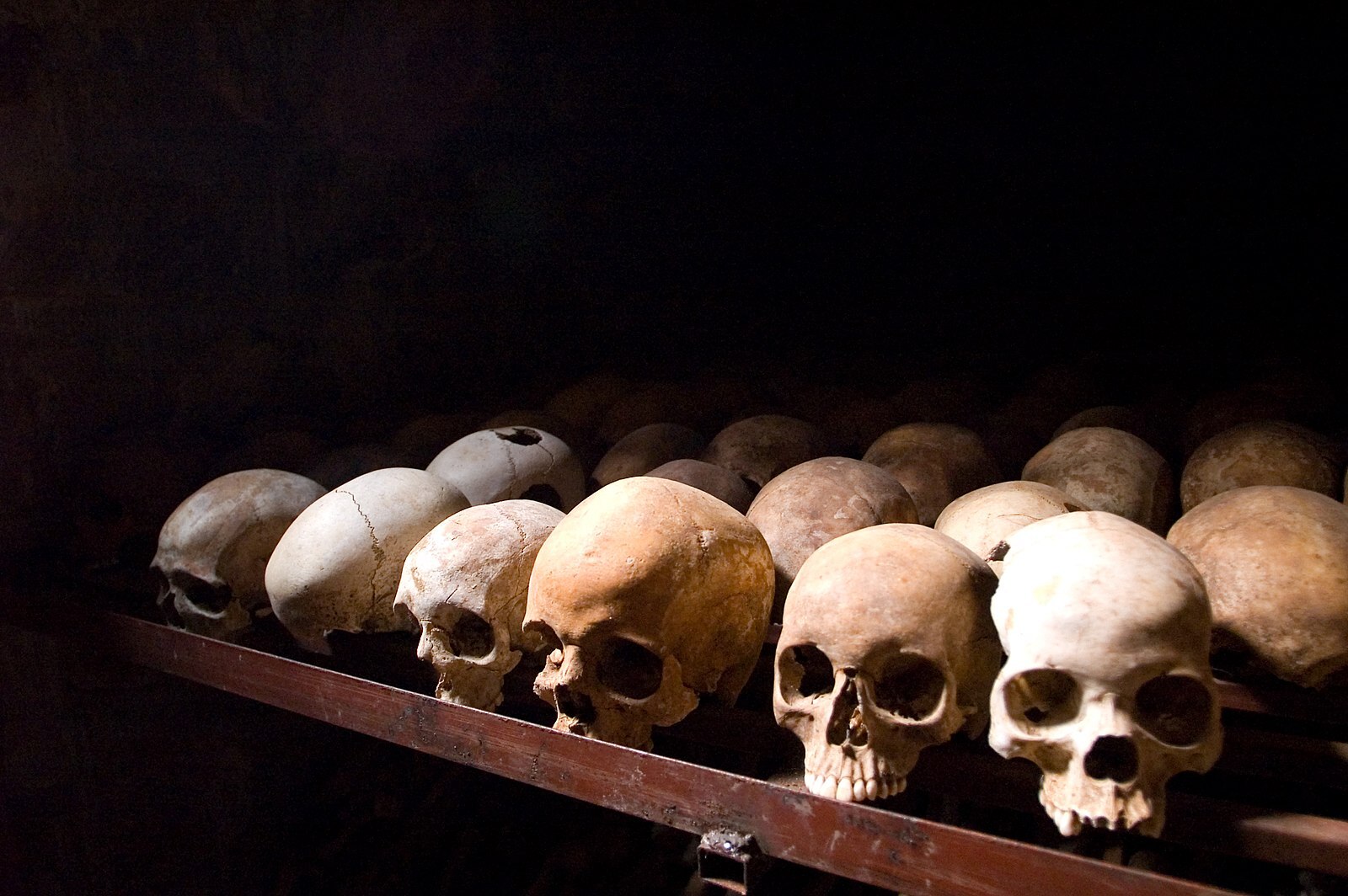
The Rwandan Genocide was not only a mass killing; it was also marked by the systematic use of sexual violence as a tool of genocide. Tutsi women were specifically targeted because of their gender and their perceived role in perpetuating the Tutsi lineage. This gendered violence was often inflicted in public settings, compounding the humiliation and psychological trauma experienced by victims. Key aspects of the violence include:
-
Rape as a Weapon of Genocide:
It is estimated that between 250,000 and 500,000 Tutsi women were raped during the genocide. These acts were often carried out publicly by multiple perpetrators, including militia members, neighbors, and even government officials. Women were brutalized not just as individuals but as symbols of the Tutsi community, with the intent to destroy their bodies, spirit, and familial roles. -
Forced Pregnancies:
Many Tutsi women were subjected to sexual violence with the intent of forcibly impregnating them. Perpetrators viewed this as a way to "contaminate" the Tutsi lineage by forcing women to bear the children of their oppressors. Survivors of these assaults faced immense stigma, particularly if they bore children as a result of the violence. -
Sexual Mutilation and Torture:
Survivors recount experiences of extreme brutality, including the mutilation of their genitalia, which left them with severe injuries, infertility, and ongoing physical pain. These acts were often intended to inflict maximum suffering and shame, stripping victims of their dignity.
Interactive Map
Each of these locations illustrates the systematic and deliberate nature of the violence during the Rwandan Genocide, particularly the ways in which women were targeted for gendered atrocities. By mapping and contextualizing these sites, it becomes clear how the genocide’s infrastructure of violence permeated every corner of the country, from urban centers like Kigali to rural provinces like Gikongoro. These locations now stand as memorials, serving as a stark reminder of the atrocities committed and the resilience of survivors who continue to share their stories.
This map provides a geographical perspective on the sites of gendered violence during the Rwandan Genocide. It highlights key locations where Tutsi women were systematically targeted for sexual violence, including public rapes, forced pregnancies, and acts of torture, often in places intended as sanctuaries such as churches and schools. By exploring these points, users can gain insights into how sexual violence was weaponized as a tool of ethnic cleansing and how it was central to the genocide’s intent to destroy the Tutsi population.
This map underscores the pervasive use of sexual violence during the genocide, aiming to provide a deeper understanding of its role in destroying individuals, families, and communities.
Expanded Description of Notable Locations of Violence During the Rwandan Genocide
Kigali: The Urban Epicenter of Atrocities
As Rwanda's capital and the most densely populated city, Kigali became a focal point for organized violence during the genocide. Hutu militias set up roadblocks across the city, where Tutsi women were singled out, often identified by their identity cards. These checkpoints became sites of unimaginable brutality, as women were publicly raped, tortured, and executed. Homes, schools, and public spaces in Kigali were also turned into scenes of violence, where women were attacked in front of their families to amplify the psychological impact on survivors and witnesses. Kigali’s urban infrastructure allowed for the rapid mobilization of perpetrators, making it one of the most lethal and terrorized areas during the genocide.
Nyarubuye Church: A Place of Worship Turned into a Site of Horror
Nyarubuye Church stands as one of the most infamous massacre sites of the genocide. Thousands of Tutsi sought refuge in the church, believing it to be a sanctuary protected by religious values. Instead, it became a death trap when Hutu militia and government forces descended upon the site. Women and girls were singled out for rape before being killed, often in the presence of their families. Out of the over 35,000 Tutsis who hid in the church, 18 survived. Survivors recount how the violence at Nyarubuye was carried out with deliberate cruelty, with perpetrators aiming to maximize the suffering and humiliation of their victims. Today, Nyarubuye serves as a genocide memorial, preserving the remains of victims and reminding visitors of the atrocities that occurred there.
Murambi: The Massacre at the School
Murambi Technical School is another chilling site of mass violence during the genocide. Tutsi families were lured to the school under the false promise of protection, only to be surrounded and slaughtered by militia. Women were subjected to systematic sexual violence before their deaths, with some held captive and repeatedly raped by their attackers. The scale of violence at Murambi is staggering; over 45,000 people were killed in just a few days. The site now functions as a memorial, with preserved bodies and educational exhibits that reveal the extent of the horrors inflicted, particularly on women and children.
Butare: Initial Resistance and Brutal Retaliation
Unlike other regions in Rwanda, Butare initially resisted the genocide due to the leadership of its moderate Hutu governor, Jean-Baptiste Habyalimana. However, when government forces replaced him, Butare became a focal point for some of the most horrific acts of violence. Tutsi women were dragged from their homes and subjected to sexual violence in public spaces, including markets and schools. The systematic nature of the violence in Butare exemplifies how quickly genocide can escalate when state structures endorse and enforce mass killings. Many women in Butare who survived the initial assaults were later captured and taken to remote areas, where they endured prolonged captivity and repeated assaults.
Gikongoro Province: Gendered Violence in the Hills
The rural province of Gikongoro, located in southern Rwanda, was marked by intense and coordinated acts of gendered violence. Perpetrators, many of whom were neighbors, hunted down Tutsi women hiding in the hills and forests. These women were often brutalized over days or weeks before being killed. Gikongoro exemplifies how gendered violence extended beyond urban centers into Rwanda’s most remote regions, demonstrating the widespread and systematic nature of these crimes.
Gisenyi: Cross-Border Atrocities
Located near the border with the Democratic Republic of Congo, Gisenyi was a key area for violence due to its proximity to escape routes. Hutu militias intercepted fleeing Tutsi women and subjected them to sexual violence at border checkpoints and makeshift camps. Some women were trafficked across the border and kept as sexual slaves by their captors, highlighting the transnational impact of the genocide’s gendered violence. The brutality in Gisenyi demonstrates how the genocide’s reach extended even to those attempting to flee.