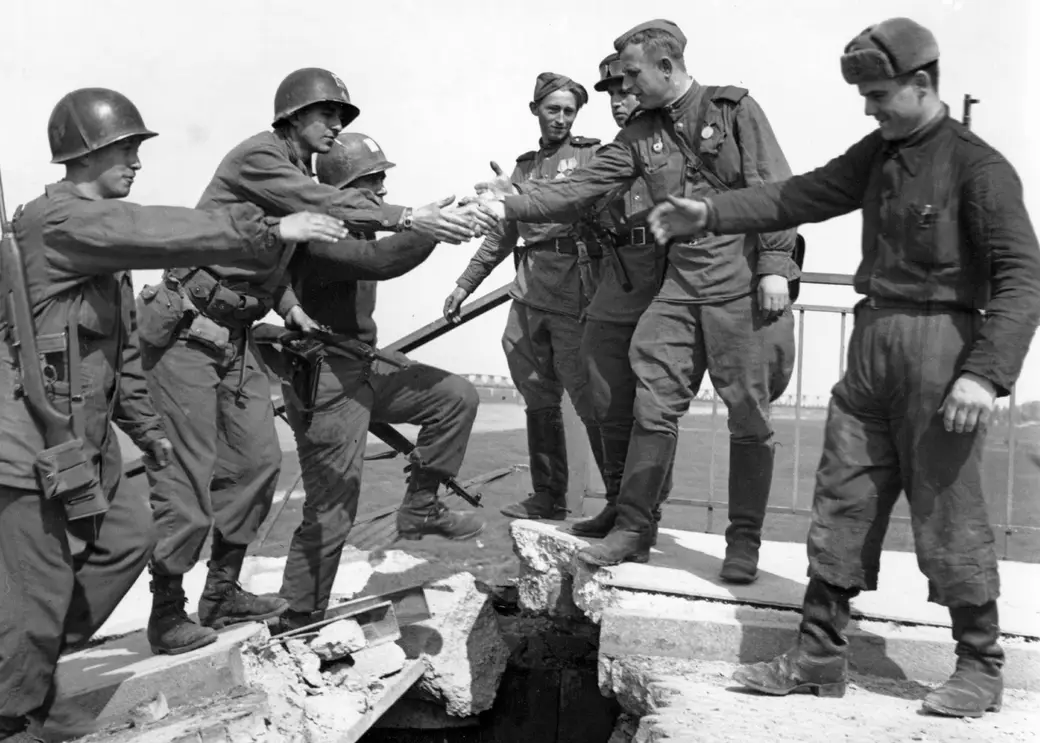
The Cold War (1947-1991) was a complex and multifaceted global conflict that shaped international relations in the second half of the 20th century. Characterized by ideological, political, and military rivalry, it primarily pitted the United States and its allies against the Soviet Union and its satellite states. This period was marked by a series of proxy wars, nuclear arms races, and intense propaganda campaigns, fundamentally altering the geopolitical landscape.
In addition to military tensions, the Cold War influenced culture, economics, and science worldwide. The struggle for influence extended beyond Europe to Asia, Africa, and Latin America, with nations grappling to align with either the capitalist or communist bloc. Key events, such as the Cuban Missile Crisis, the Korean and Vietnam Wars, and the Space Race, illustrated the pervasive nature of this rivalry, demonstrating how local conflicts were often fueled by global ideological battles.
This website aims to provide a comprehensive exploration of the Cold War, examining its causes, major events, and lasting impacts on contemporary global affairs. By analyzing historical documents, personal narratives, and scholarly research, we seek to enhance understanding of this pivotal era, highlighting the ways it continues to shape modern political dynamics and international relations.
This page will dive into four different topics -
One will be the effects of proxy wars on indirectly involved countries, and how many of these conflicts have led to lasting impacts on countries and wider regions.
The influence of the Cold War regarding science and technology also falls within the scope of this exhibit. Specifically, this page will investigate how medicine, space technology, and scientific education changed during the Cold War and the lasting impacts.
Another focus will be on the Chernobyl disaster of 1986, examining its role in exposing the weaknesses of the Soviet Union during the Cold War. This topic will analyze how the nuclear catastrophe impacted the USSR’s international standing, contributed to global nuclear policy changes, and shaped Soviet-Ukrainian relations, ultimately influencing the Cold War’s trajectory.