Legacy
Lasting Impacts on the Soviet Union
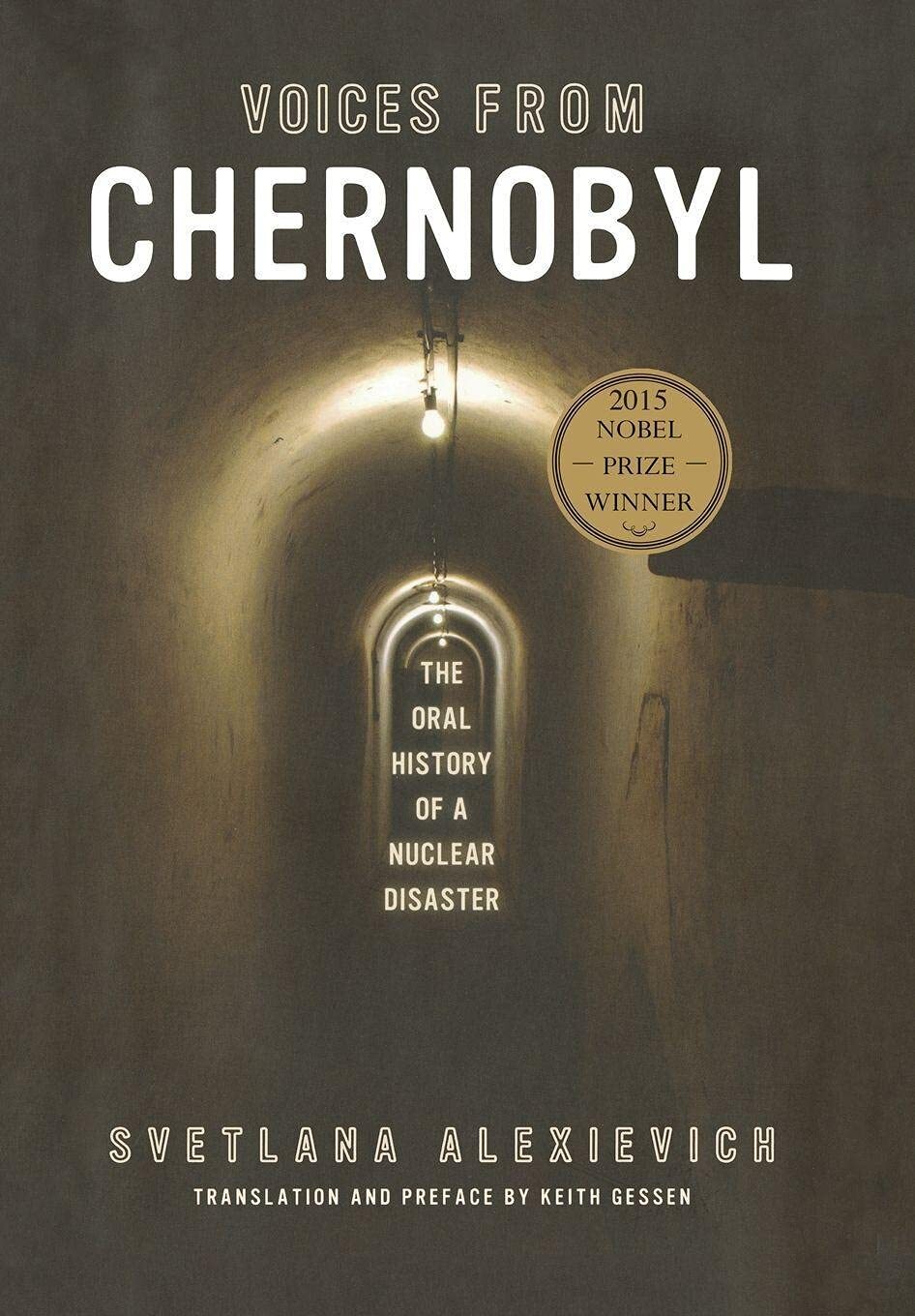
- Literature and Testimonies: Works like Voices from Chernobyl by Svetlana Alexievich capture the personal stories of survivors, liquidators, and their families. These oral histories provide raw, unfiltered accounts of suffering, betrayal, and resilience.
- Documentaries and Dramas: The 2019 HBO miniseries Chernobyl dramatized the events and aftermath, bringing global attention to the systemic failures of the Soviet response. Documentaries like The Battle of Chernobyl (2006) offer detailed, factual explorations of the crisis.
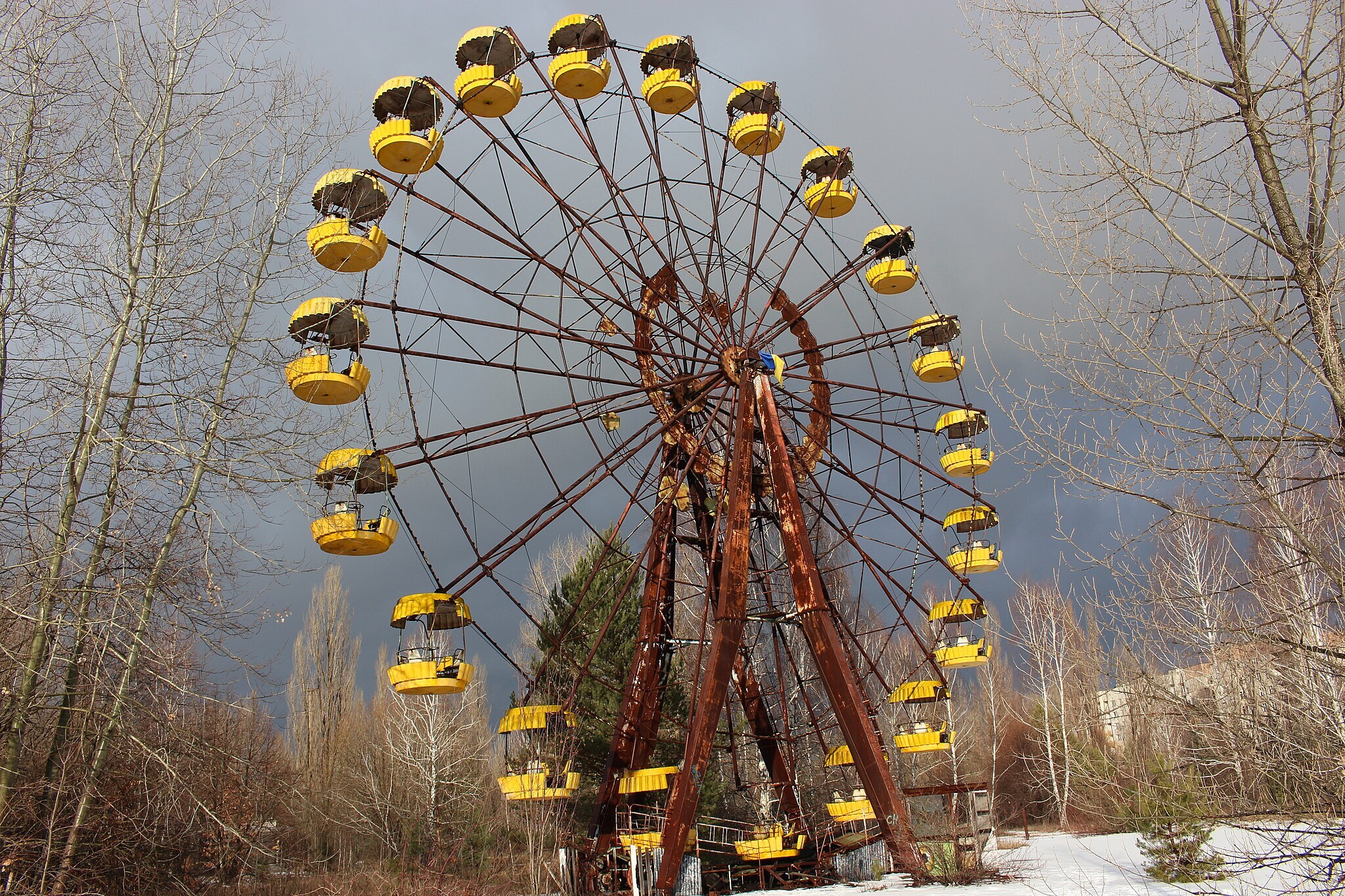
- Art and Photography: The haunting imagery of Pripyat’s abandoned buildings, rusting amusement parks, and decaying infrastructure have inspired artists worldwide. These visuals symbolize the eerie aftermath of human catastrophe and the passage of time in a deserted space.
Chernobyl serves as a cautionary tale about the dangers of suppressing truth and the importance of government accountability. For former Soviet states, the disaster remains a painful reminder of the costs of secrecy and authoritarian control.



_68.JPG)
Environmental Impact
The explosion at Chernobyl caused massive contamination of the surrounding environment, leaving a 1,000-square-mile Exclusion Zone around the reactor site. This area, which includes the abandoned city of Pripyat, remains largely uninhabited due to high radiation levels. The environmental impact is multifaceted:
- Radiation and Contamination: The soil, water, and vegetation in the Exclusion Zone remain contaminated with radioactive isotopes such as cesium-137 and strontium-90. Some of these isotopes have half-lives spanning decades, meaning the region will remain hazardous for generations.
- Wildlife Resurgence: Despite the radiation, the absence of human activity has allowed wildlife to thrive. Species such as wolves, lynxes, wild boars, and the endangered Przewalski’s horse have established populations in the Zone. This unexpected resurgence has turned the area into a natural laboratory for scientists studying the effects of radiation on ecosystems.
- Forest Fires and Radiation Spread: Periodic wildfires in the Exclusion Zone pose a risk of spreading radioactive particles beyond the immediate area. These fires require ongoing monitoring and management to prevent further contamination.
Present-Day Relevance
-
Nuclear Policy and Safety: The disaster led to sweeping reforms in global nuclear safety standards. The International Atomic Energy Agency (IAEA) introduced new protocols for reactor design, emergency preparedness, and international cooperation. Events like the Fukushima Daiichi disaster in 2011 underscore the ongoing importance of these safety measures.
-
Public Perception of Nuclear Energy: Chernobyl intensified public skepticism about nuclear power. Many countries, including Germany and Italy, either halted their nuclear programs or adopted plans to phase them out. The debate over the safety, sustainability, and ethics of nuclear energy remains deeply influenced by the memory of Chernobyl.
-
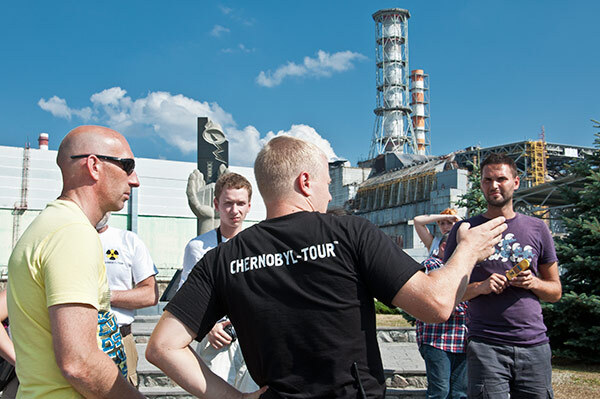
Tourism and Education: The Chernobyl Exclusion Zone has become a destination for “dark tourism,” attracting visitors who seek to understand the disaster's history and its consequences firsthand. Guided tours through Pripyat and the reactor site serve as educational experiences and memorials to the victims and liquidators.
-
Symbol of Ukrainian Independence: For Ukraine, Chernobyl symbolizes both suffering and resilience. The Soviet Union’s mishandling of the disaster fueled Ukrainian nationalism and contributed to the country’s drive for independence in 1991. Today, managing the Chernobyl site is part of Ukraine’s national identity and commitment to transparency and responsibility.