Chernobyl and the Cold War
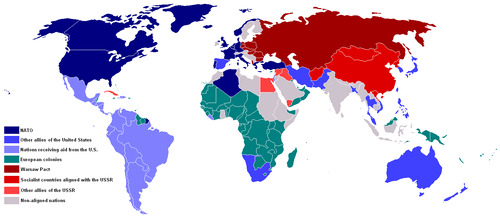


Backdrop: The Cold War Rivalry
The Cold War was an era of intense rivalry between the United States and the Soviet Union, characterized by competing ideologies, military buildups, and technological races. (See second photo above for the Cold War Map) The nuclear arms race symbolized this competition, with each superpower striving to outdo the other in nuclear capabilities, both in weaponry and peaceful energy production. For the USSR, demonstrating technological superiority was a matter of national pride and political necessity. Nuclear power was seen not only as a solution to energy needs but also as a way to assert dominance on the world stage. However, this drive for prestige often led to shortcuts in safety, secrecy, and a culture where failure was hidden rather than addressed. The Chernobyl disaster would reveal the cracks in this system, ultimately weakening the Soviet Union’s position in the Cold War and reshaping the balance of global power.
Nuclear Ambitions and Risks
By the 1980s, the Soviet Union had established itself as a global leader in nuclear power. The ambitious expansion of nuclear energy was seen as a way to modernize the economy, support industrial growth, and reinforce the USSR’s image as a technological powerhouse. The RBMK reactor was the backbone of this program, praised for its power output and cost-effectiveness. However, the RBMK design had inherent flaws: it lacked a protective containment structure, and it had a dangerous instability during low-power operations. These weaknesses were compounded by a culture of secrecy and a lack of safety training among plant operators. Soviet officials prioritized rapid development and secrecy over transparency and safety, creating a system where risks were overlooked. This combination of flawed technology and human error would culminate in the Chernobyl disaster, exposing the dangers of prioritizing prestige over precaution.
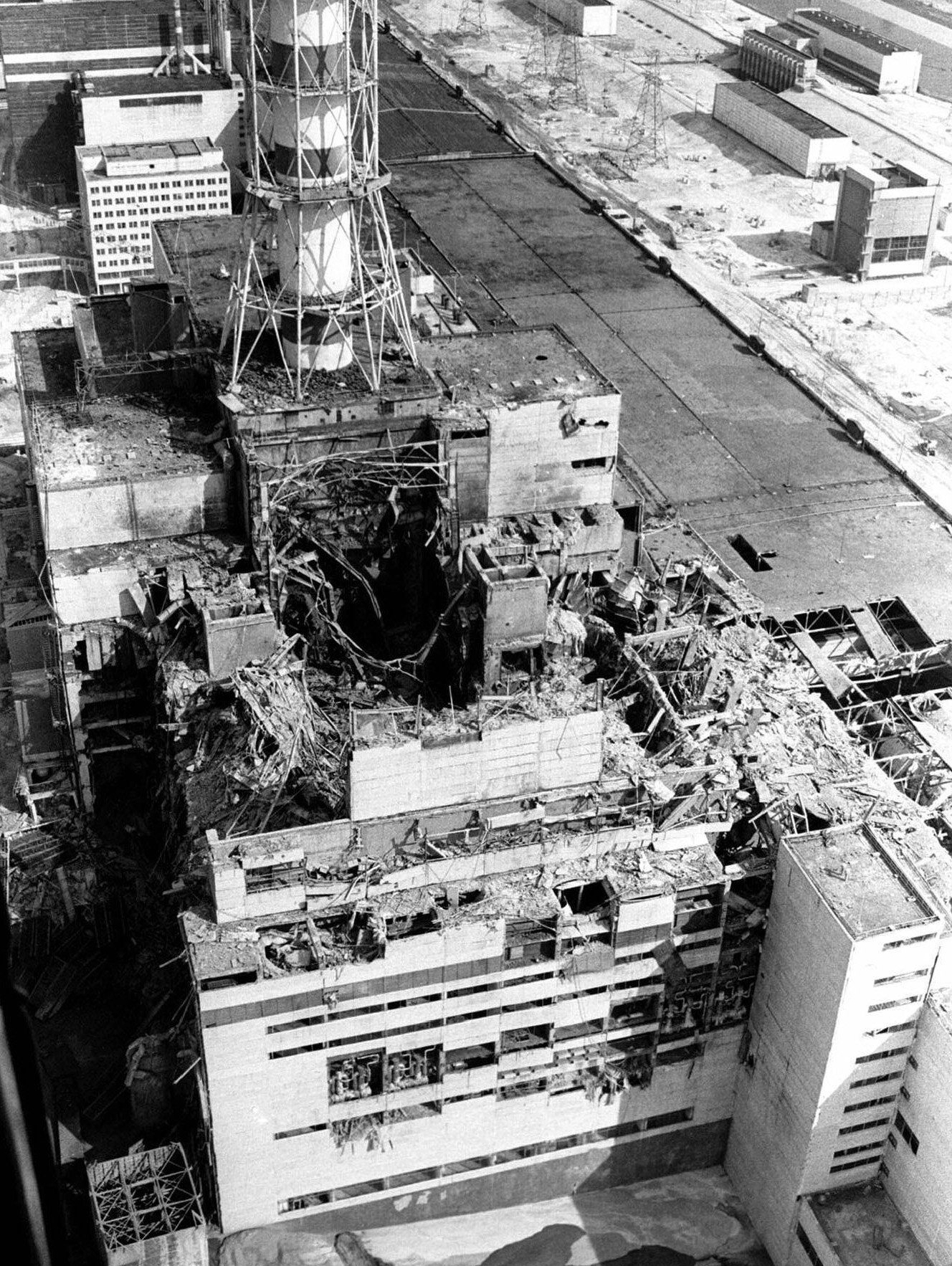
The Night That Changed Everything
In the early hours of April 26, 1986, a routine safety test at Reactor No. 4 of the Chernobyl Nuclear Power Plant went catastrophically wrong. At 1:23 AM, a series of errors by the plant operators, combined with the reactor’s design flaws, led to a massive explosion. The blast tore through the reactor’s core, releasing an enormous plume of radioactive material into the atmosphere. The initial explosion and fire sent chunks of radioactive graphite and fuel into the air, while fires raged for hours, spreading contamination further. The workers and first responders who arrived on the scene were unaware of the danger, exposing themselves to lethal doses of radiation. Pripyat, a city of 50,000 located just a few miles away, remained unaware of the danger. It wasn’t until 36 hours later that an evacuation was ordered, and by then, radiation had already spread across Europe. The Soviet Union’s attempts to hide the scale of the disaster delayed international awareness, compounding the crisis. As the true extent of the destruction became clearer, the world watched in disbelief as the once-hidden disaster unraveled.
A Rapidly Unfolding Crisis
The explosion at Chernobyl set off a frantic and chaotic response. Firefighters and plant workers rushed to contain the blaze, unaware they were being exposed to deadly radiation. Many of these first responders developed Acute Radiation Syndrome (ARS) and died within weeks. Pripyat’s evacuation came too late to prevent widespread exposure. Residents left behind homes, possessions, and lives they would never return to, their lives irreparably changed by the disaster. In the days that followed, a 19-mile Exclusion Zone was established, and hundreds of thousands of people were displaced, forced to leave their homes behind. The Soviet government’s secrecy compounded the damage. Instead of informing the public, officials tried to suppress the truth, delaying international aid and safety measures. Only when radiation was detected in Sweden did the USSR admit that an accident had occurred, but by then, the global consequences were already unfolding.

The Human and Environmental Cost
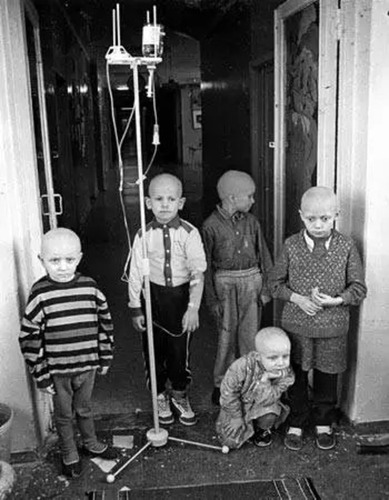
The health consequences of the Chernobyl disaster were both immediate and far-reaching. In the days following the explosion, plant workers and firefighters—known as liquidators—bore the brunt of radiation exposure. Working without adequate protective gear, many received lethal doses of radiation, leading to acute radiation syndrome (ARS) and claiming dozens of lives. These victims were the first casualties of a disaster whose consequences would affect generations to come.
The long-term health impacts were equally severe. Thousands of liquidators later suffered from cancers, ARS-related complications, and other chronic illnesses. In the years following the explosion, thyroid cancer cases surged, particularly among children and adolescents exposed to radioactive iodine. This increase was especially pronounced in Ukraine, Belarus, and Russia—regions closest to the reactor. Birth defects, cardiovascular diseases, and other health conditions have also been linked to radiation exposure, although determining the full scope of these effects remains difficult due to the complex nature of radiation’s long-term impact.
Environmental contamination further compounded the disaster's effects. The explosion released vast amounts of radioactive isotopes like cesium-137 and strontium-90, which spread across Europe, contaminating soil, water, and ecosystems. The Chernobyl Exclusion Zone, a 1,000-square-mile area around the reactor, remains uninhabitable to this day due to high radiation levels. While wildlife has slowly reclaimed the area, radiation continues to impact the ecosystem, causing genetic mutations and other abnormalities.
The radioactive fallout reached far beyond Soviet borders, affecting parts of Scandinavia, Central Europe, and even North America. In total, approximately 40% of Europe’s landmass was contaminated to some degree. This widespread fallout heightened global fears about the safety of nuclear power, prompting many countries to revise their energy policies. Several nations reduced their reliance on nuclear energy, and some abandoned plans for future nuclear plants altogether.
Chernobyl’s legacy is one of profound human and environmental cost. It caused immediate suffering for those living and working near the plant, left a lasting impact on their health, and inflicted severe ecological damage. The disaster continues to serve as a powerful reminder of the risks associated with nuclear energy, shaping global debates on energy policy, environmental safety, and disaster preparedness.
A Blow to the Soviet Superpower
The Chernobyl disaster wasn’t just an environmental catastrophe—it was a geopolitical crisis. The Soviet Union’s attempts to cover up the incident shattered its credibility, both at home and abroad. The economic costs of the cleanup and compensation strained the USSR’s already weakened economy, diverting resources from its Cold War military competition. For many Soviet citizens, Chernobyl symbolized the failure of the state to protect its people. In Ukraine, the disaster fueled nationalist movements and calls for independence. Globally, the event underscored the dangers of unchecked nuclear power and secrecy. As Soviet leader Mikhail Gorbachev later reflected: