Chernobyl Disaster (1986)
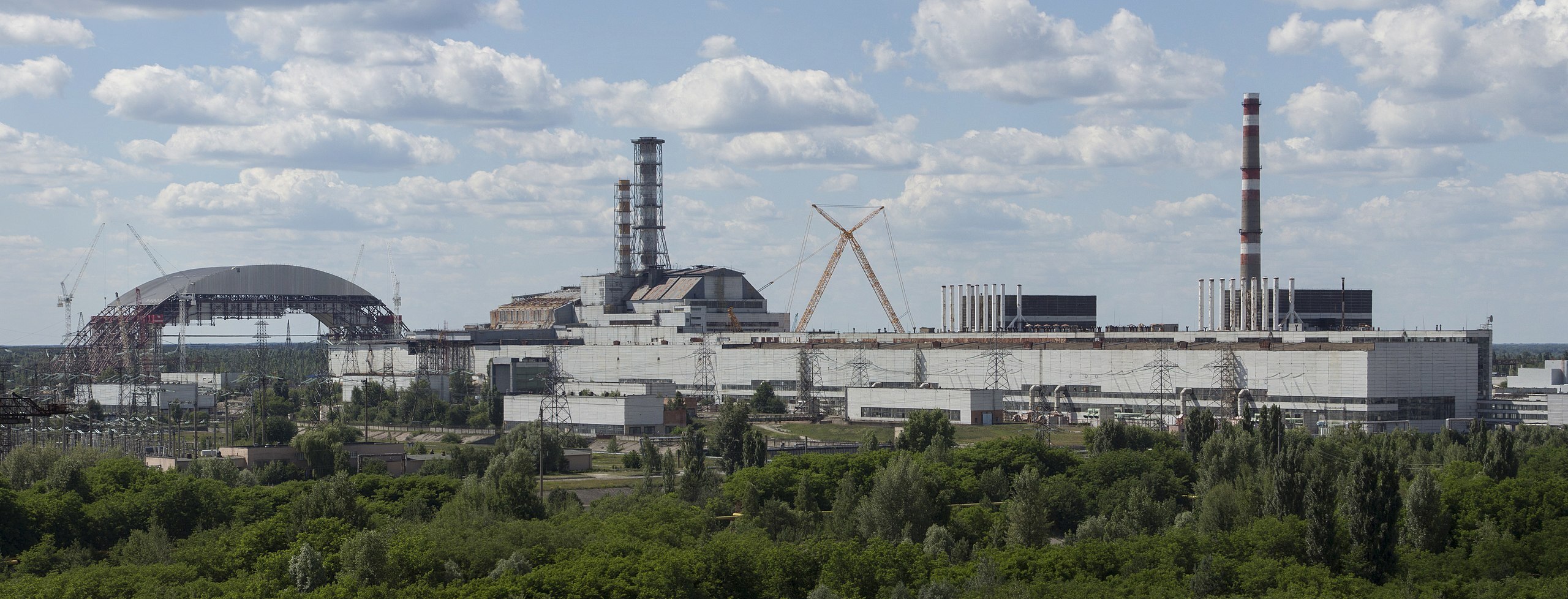

The catastrophic explosion at Chernobyl’s Reactor No. 4 on April 26, 1986, marked a turning point in world history. Beyond the immediate devastation, the disaster severely undermined the Soviet Union’s global standing, exposing systemic weaknesses and eroding trust in Soviet leadership. This breakdown of confidence impacted the USSR's already strained rivalry with the United States, influencing Cold War dynamics and hastening the Soviet Union’s decline.
Chernobyl’s radioactive fallout spread across borders, igniting international fears about nuclear energy and pushing governments to rethink nuclear policies. Globally, nations demanded greater transparency and safety standards, setting off a wave of reforms aimed at preventing future disasters. For Soviet-Ukrainian relations, the mishandling of the crisis fueled resentment and nationalism, ultimately contributing to Ukraine’s path toward independence.
This website delves into these far-reaching consequences, exploring how a single night of catastrophe reshaped geopolitics, nuclear policy, and the very fabric of the Soviet state.