Women Part of the Workforce
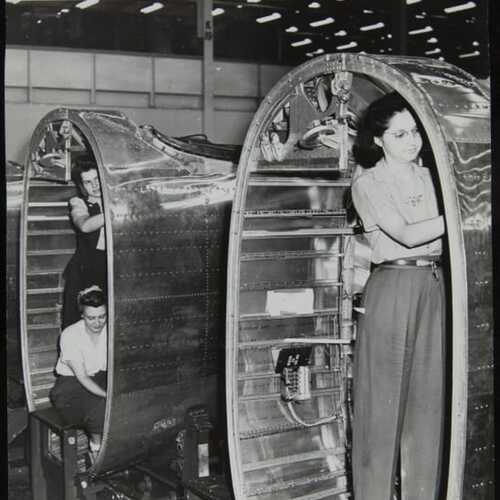
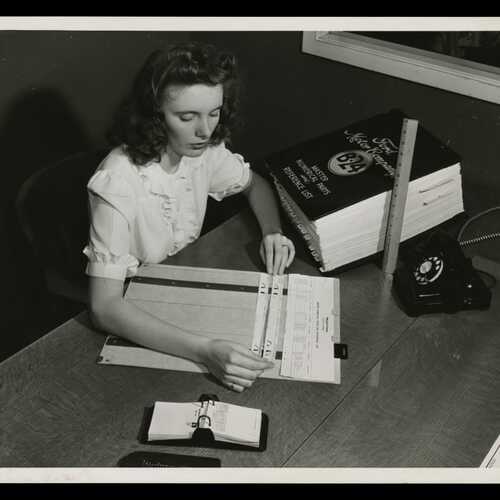
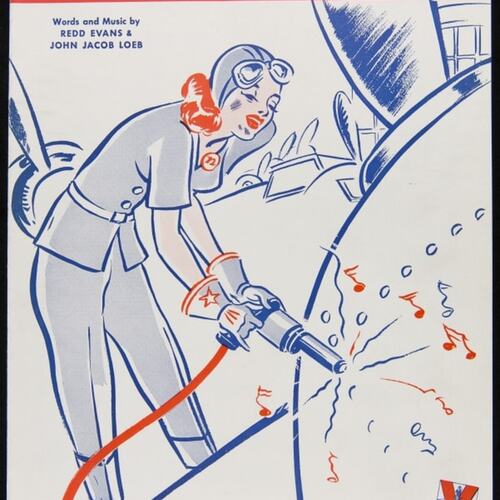
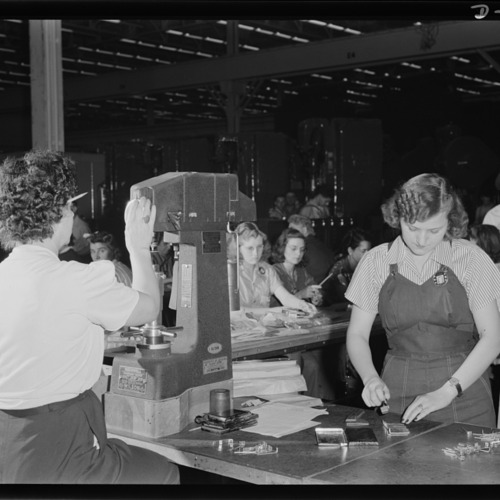
The Rosie the Riveters played a pivotal role at the Willow Run plant, working alongside Ford Motor Company during World War II. Women represented approximately one-third of the workers at Ford Motor Company's Willow Run plant during World War II. As men were enlisted in the military, there was a substantial labor shortage in industrial settings, prompting a significant shift in the workforce. Women, famously dubbed "Rosie the Riveters," stepped into these manufacturing roles, including those at Willow Run, where they became instrumental in the production of B-24 Liberator bombers. These determined and skilled women took on various factory positions, including riveting, welding, and assembly line work, contributing immensely to the war effort. Their dedication, hard work, and adaptability in traditionally male-dominated roles showcased their capability and resilience, breaking societal barriers and stereotypes. The Rosie the Riveters at Willow Run not only helped meet the demand for wartime aircraft but also played a pivotal role in shaping a new narrative of women's empowerment in the workforce, leaving an enduring legacy of their crucial contribution to the war effort.