Ernesto Galarza (1905-1984)
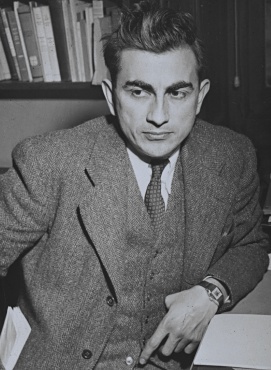
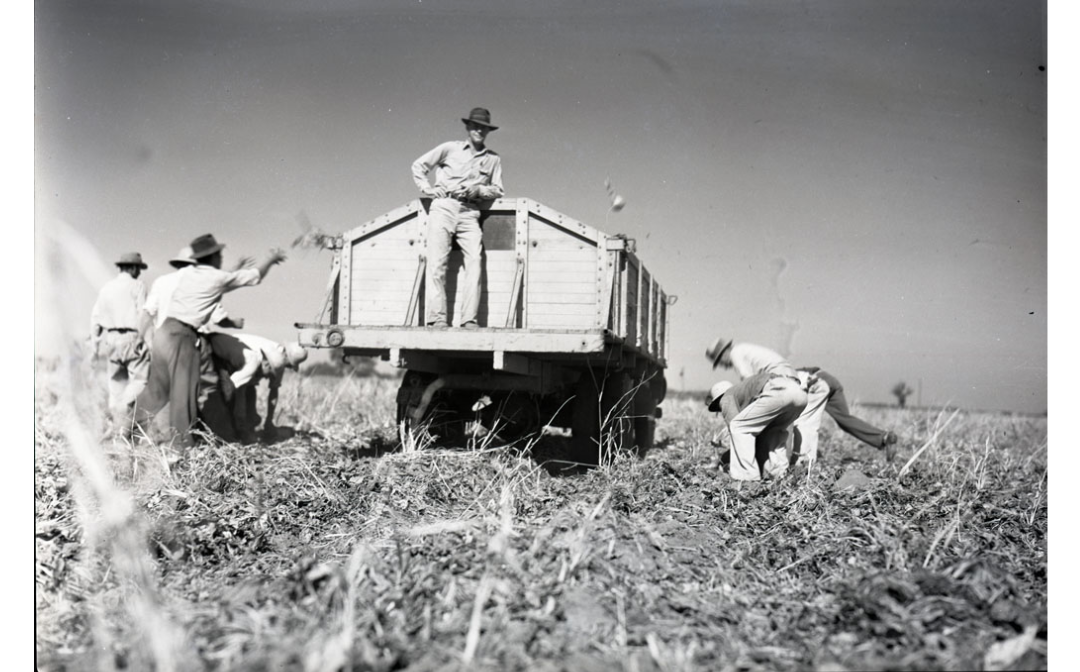
Ernesto Galarza (1905-1984) emerged as one of the most influential Mexican-American civil rights advocates of the 20th century, combining scholarly rigor with passionate activism to fight for social justice. Born in Jalcocotán, Mexico, he immigrated to Sacramento, California as a young child during the Mexican Revolution, where he excelled academically despite facing significant economic hardships and discrimination, ultimately earning his doctorate from Columbia University after completing his undergraduate studies at Stanford. Through his groundbreaking work documenting the exploitation of agricultural workers, particularly those brought to the United States under the Bracero Program during and after World War II, Galarza developed a powerful critique of systemic labor abuse that helped lay the groundwork for the broader farmworker rights movement. His seminal 1956 publication Strangers in Our Fields exposed the harsh realities faced by bracero workers, including dangerous working conditions, substandard housing, wage theft, and lack of basic legal protections, while his role as education director for the National Agricultural Workers Union allowed him to combine research with direct advocacy.
Beyond his labor activism, Galarza made lasting contributions as an academic, author, and community organizer who helped shape the emerging Chicano civil rights movement through his writings and mentorship of younger activists. His autobiographical work "Barrio Boy" (1971) became a classic of Mexican-American literature that chronicled both his personal journey and the broader immigrant experience, while his research on the political economy of the Southwest helped establish Mexican-American studies as a serious academic field. Working closely with labor unions, community organizations, and fellow scholars, Galarza developed innovative strategies for documenting and challenging institutional discrimination, often at great personal risk during the politically charged McCarthy era. His legacy lives on through the numerous institutions and awards named in his honor, as well as through his influence on subsequent generations of civil rights activists who built upon his pioneering work combining scholarly research with grassroots organizing for social change.