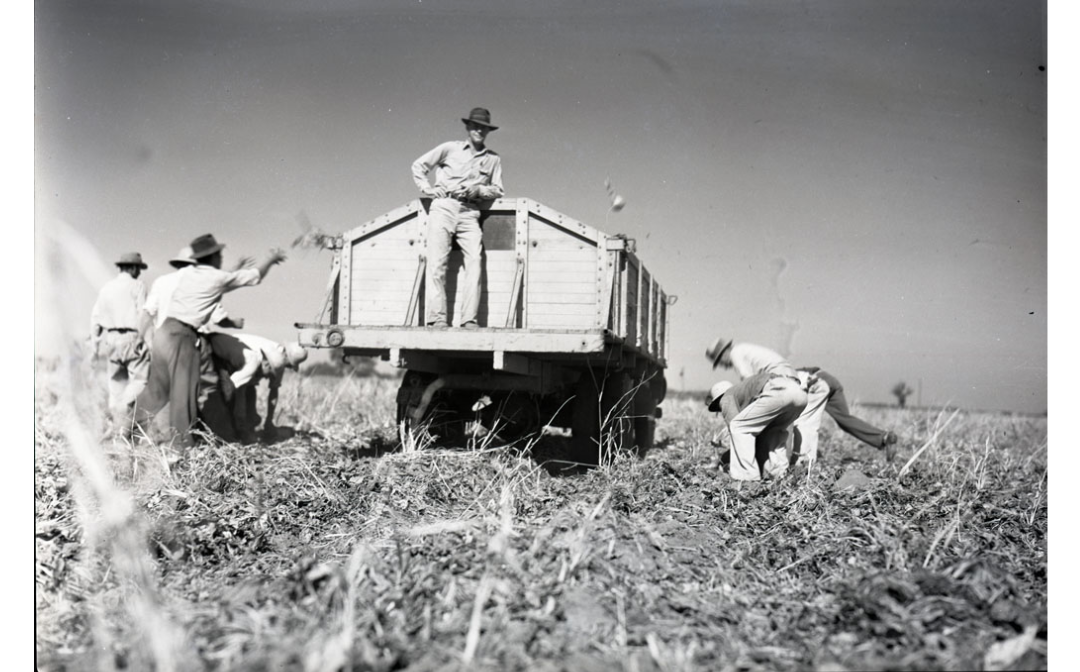
Labor Practices
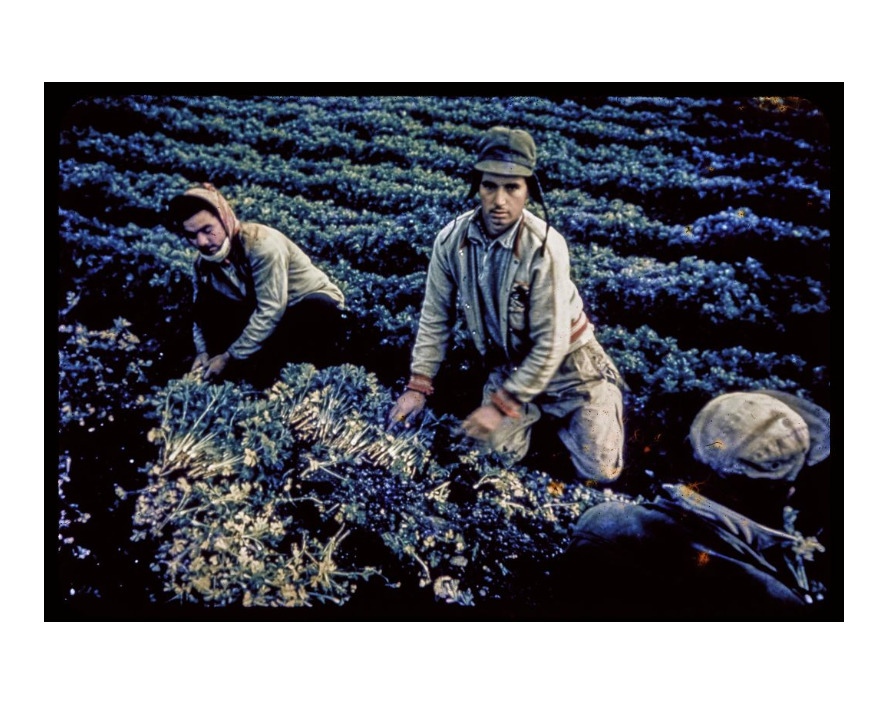
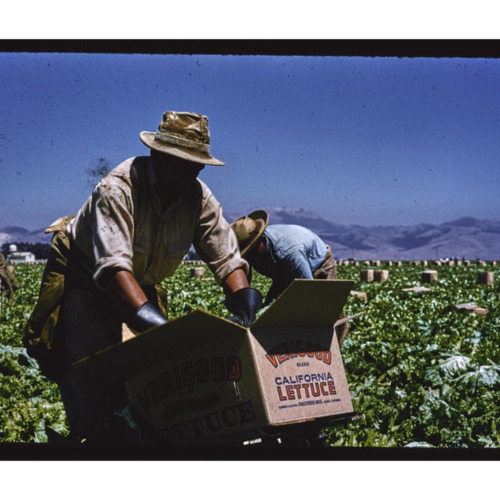
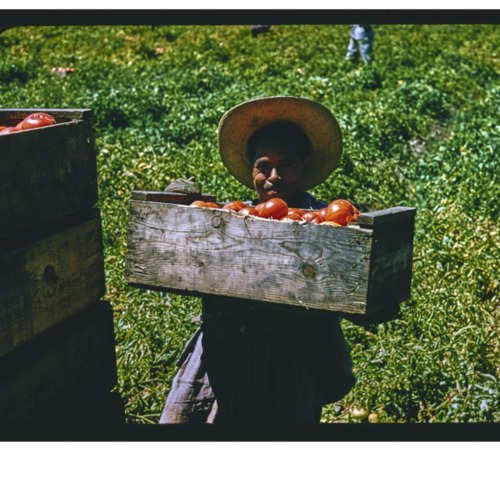
Labor practices under the Bracero Program were marked by exploitation, unsafe working conditions, and a lack of basic protections for workers. Braceros often had to work long hours in grueling conditions, with little rest and limited access to adequate medical care. The use of outdated and dangerous tools, such as handheld hoes, was common despite the known risks of injury. Some labor techniques, including the use of handheld hoes, were eventually banned due to the high rate of injuries they caused, but enforcement of these bans was inconsistent. Workers were frequently exposed to harmful pesticides and extreme weather conditions without adequate protective gear, leading to widespread health issues. The absence of safety regulations and oversight meant that many Braceros suffered debilitating injuries or even death, with little accountability from their employers.
The labor practices of the Bracero Program actively perpetuated systemic wage theft and economic exploitation. The program’s structure, tying workers’ visas to specific employers, intensified their vulnerability, as braceros could not escape abusive or exploitative conditions without risking deportation. Agribusinesses fiercely opposed unionization efforts, swiftly retaliating against any attempts to organize. These labor practices revealed a broader pattern of exploitation and disregard for migrant workers’ rights, highlighting the urgent need for stronger labor protections and enforcement mechanisms.