Conclusion
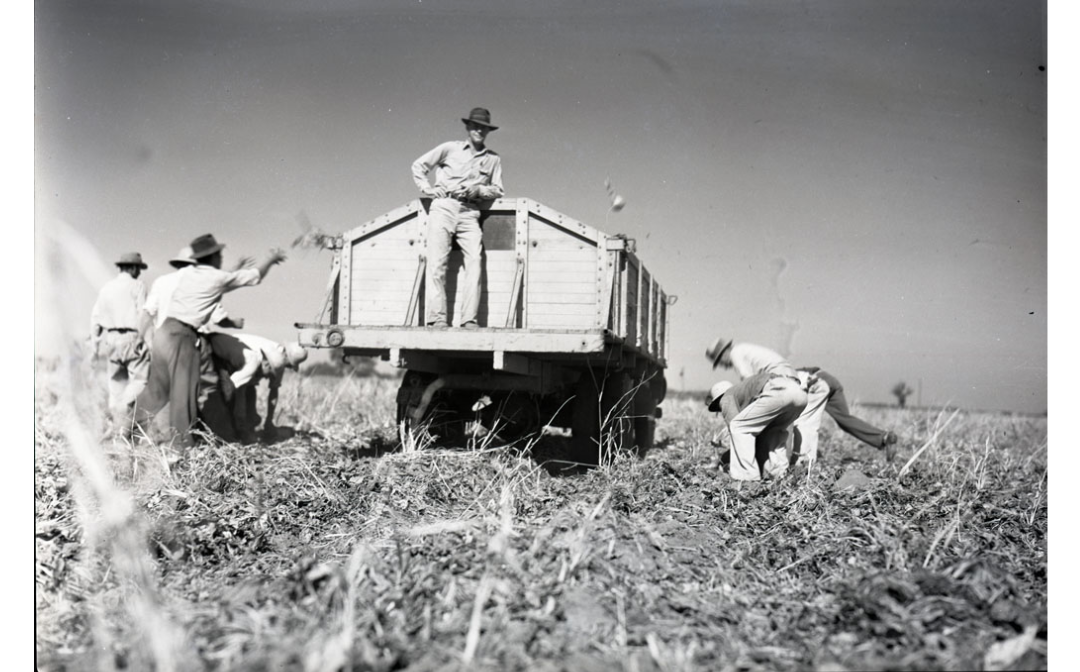
The Bracero Program, spanning 1942 to 1962, stands as a complex chapter in California’s agricultural history, revealing a stark duality between economic necessity and human cost. While it addressed critical labor shortages in the U.S., particularly in California’s sprawling fields, it did so at the expense of Mexican workers who were systematically exploited, dehumanized, and denied basic rights. The program’s design and execution—marked by unsafe working conditions, wage theft, racial discrimination, and inadequate legal protections—exposed a profound disregard for braceros, treating them as disposable commodities rather than human beings. Incidents like the Chualar Tragedy of 1963 underscored the lethal consequences of this neglect, while activists like Ernesto Galarza and Henry Pope Anderson fought tirelessly to illuminate these injustices and push for reform. Housing, sanitation, and transportation practices further entrenched the program’s legacy of exploitation, perpetuating a cycle of poverty and powerlessness for braceros. Though the program ended over six decades ago, its echoes resonate in contemporary debates about migrant labor, highlighting the enduring need for robust protections, accountability, and recognition of workers’ dignity. California’s central role in the Bracero Program serves as both a historical lesson and a call to address the systemic inequalities that continue to shape labor practices today.