Public View
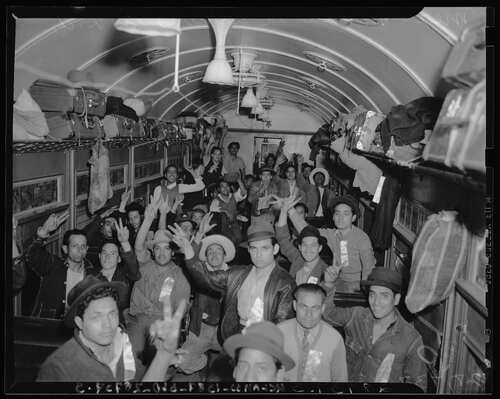
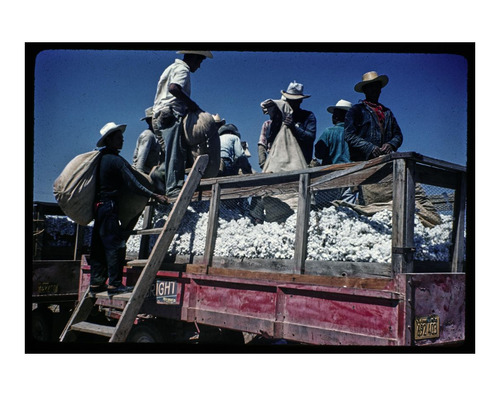
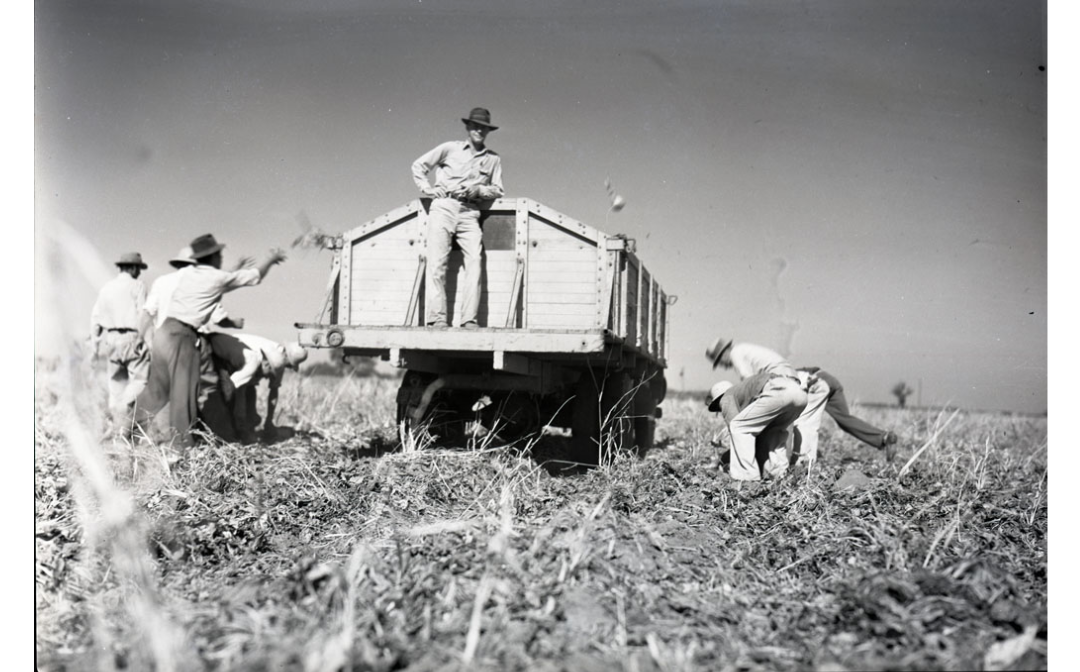
The public perception of Bracero workers and immigrant laborers during the mid-20th century actively molded itself around economic demands, entrenched racial stereotypes, and shifting cultural attitudes. The Bracero Program initially marketed itself as a win-win solution, tackling U.S. agricultural labor shortages during World War II and the Korean War while dangling economic prospects before Mexican workers. Many white Americans framed it as a benevolent gesture, casting it as a golden opportunity for Mexican laborers to chase the "American Dream" and master cutting-edge farming techniques. Yet this rosy narrative often masked a condescending undercurrent, painting Mexican workers as transient, expendable tools rather than vital economic players on equal footing. As the program swelled, public sentiment toward braceros soured, veering from patronizing charity to outright disdain and dehumanization—they morphed into "aliens" or "others," branded as lesser beings in the eyes of white America. This darkening view sharpened dramatically through visceral, gut-punching scenes of braceros herded like livestock: employers and contractors stuffed them into rickety, overcrowded trucks—sometimes with no seats or safety rails—or left them clinging precariously to the sides of vehicles barreling down dusty roads. These haunting images, captured in photographs and eyewitness accounts from the era, seared into the public psyche the idea that braceros ranked below humans, mere beasts of burden to be worked to exhaustion. Such degrading spectacles fueled indifference, letting many Americans shrug off the brutal exploitation and life-threatening conditions these workers faced, so long as their sweat kept the agricultural machine humming and profits rolling in.
The discrimination of Bracero workers was intensified by broader societal attitudes towards Mexican immigrants, particularly during the 1950s with the implementation of Operation Wetback (1953-1954). This government initiative aimed to deport undocumented Mexican workers and received support from many white Americans, who viewed Mexican laborers as a threat to domestic employment and social stability. The public narrative often depicted Mexican workers as "invaders" taking jobs from white Americans, despite the fact that many of these positions were in low-paying, labor-intensive sectors that white workers typically avoided. The transportation of Braceros, often in overcrowded and unsafe conditions, visually represented their marginalization. Many white Americans saw these workers as a necessary but temporary labor force, meant to be used and discarded as needed, without regard for their dignity or rights. This perspective was deeply rooted in the racial hierarchy of the time, which positioned white Americans as superior and Mexican workers as subordinate, both economically and socially.