Transportation
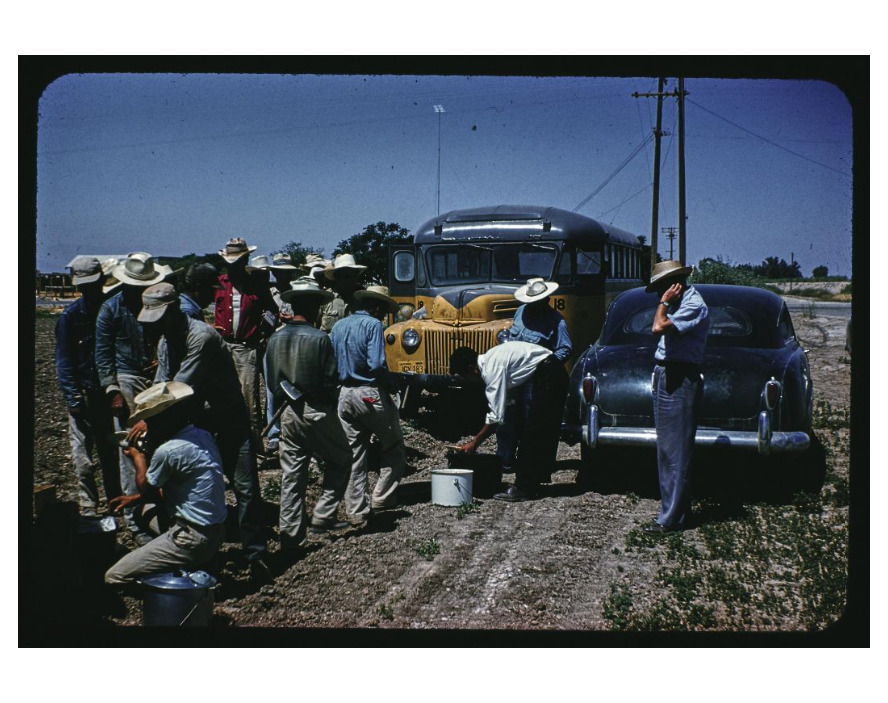
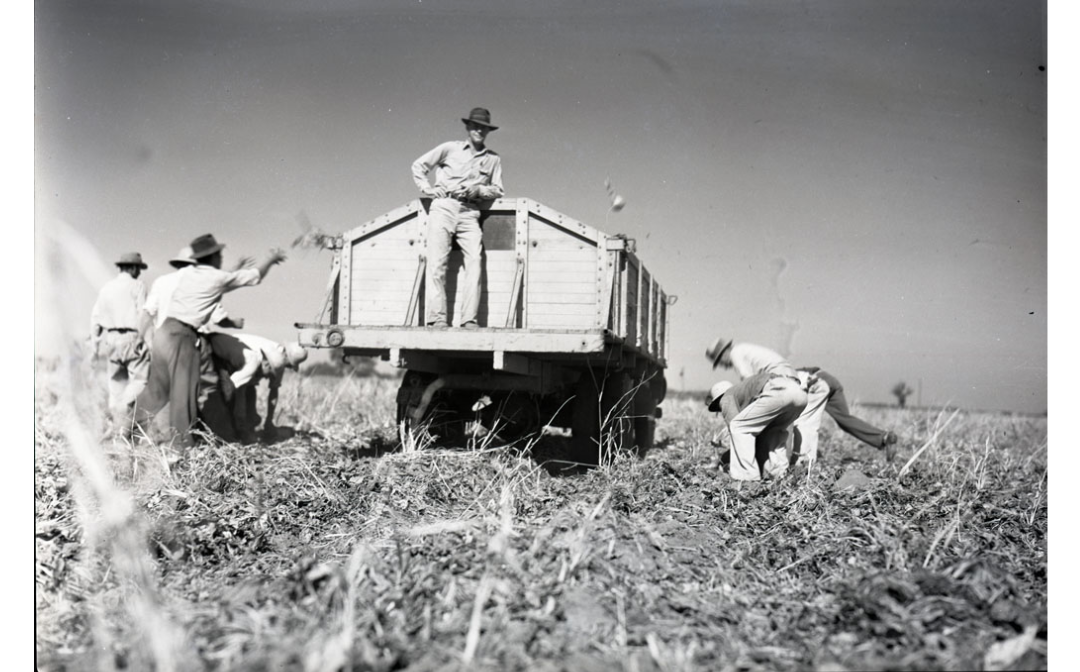
Transportation plays a critical role throughout the entirety of the Bracero Program. Before braceros even began their work in the States, their transportation was paid for and facilitated by the United States’ government and agriculture. Braceros would be moved by trains from the border to Bracero Reception Centers in various states. From the government holding site, braceros would then be signed and transported to their farm by bus, truck, and/or automobile. Only the transportation from privately owned housing facilities to farming locations were paid for and facilitated by private agribusinesses, and in that short distance, there were numerous tragedies and accidents. However, California was not alone in this practice. Other states have a well-documented history of overt mistreatment of braceros, with Texas often referred to as the worst, since it was banned from participation in the program for a multitude of years. Most state agribusinesses knowingly participated in the overall exploitation of braceros by dismissing claims of inhumane and abyssal housing conditions – which were occasionally repurposed slave houses; – forcing braceros to find and pay for their own medical needs – often caused by their non-safe working conditions, – and/or being in stark opposition to any unionization for bracero labor rights. Although these themes have been well-investigated, their analysis often marginalizes transportation’s role in causing workplace injuries and facilitating racializing and “othering” language such as “alien” – further straining the relationship between migrant workers and white U.S. citizens.