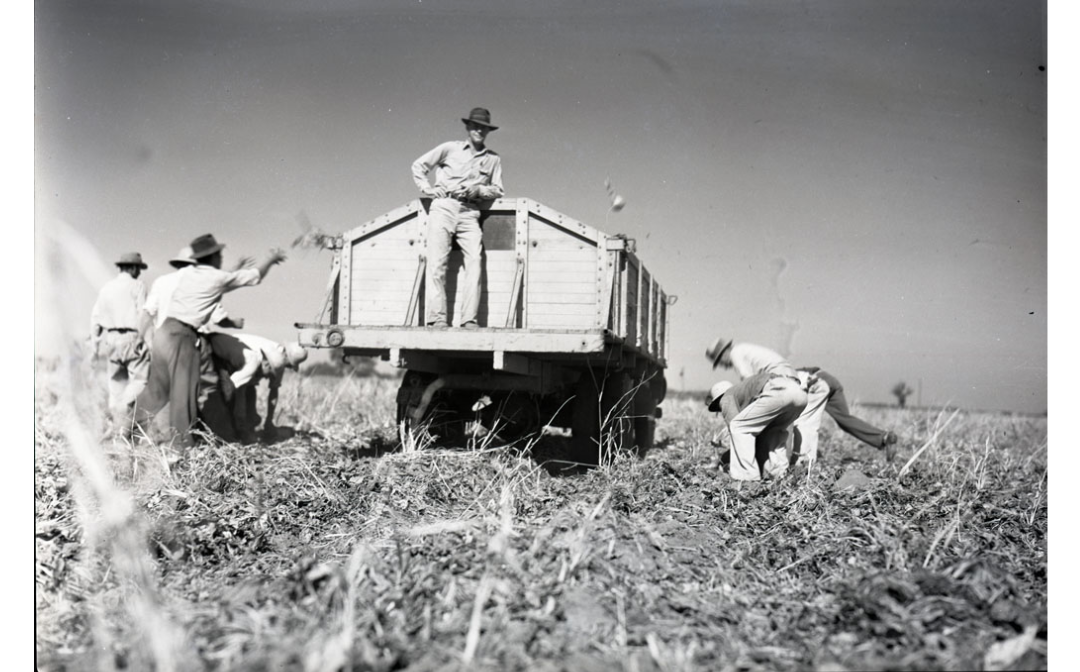
Housing & Sanitation
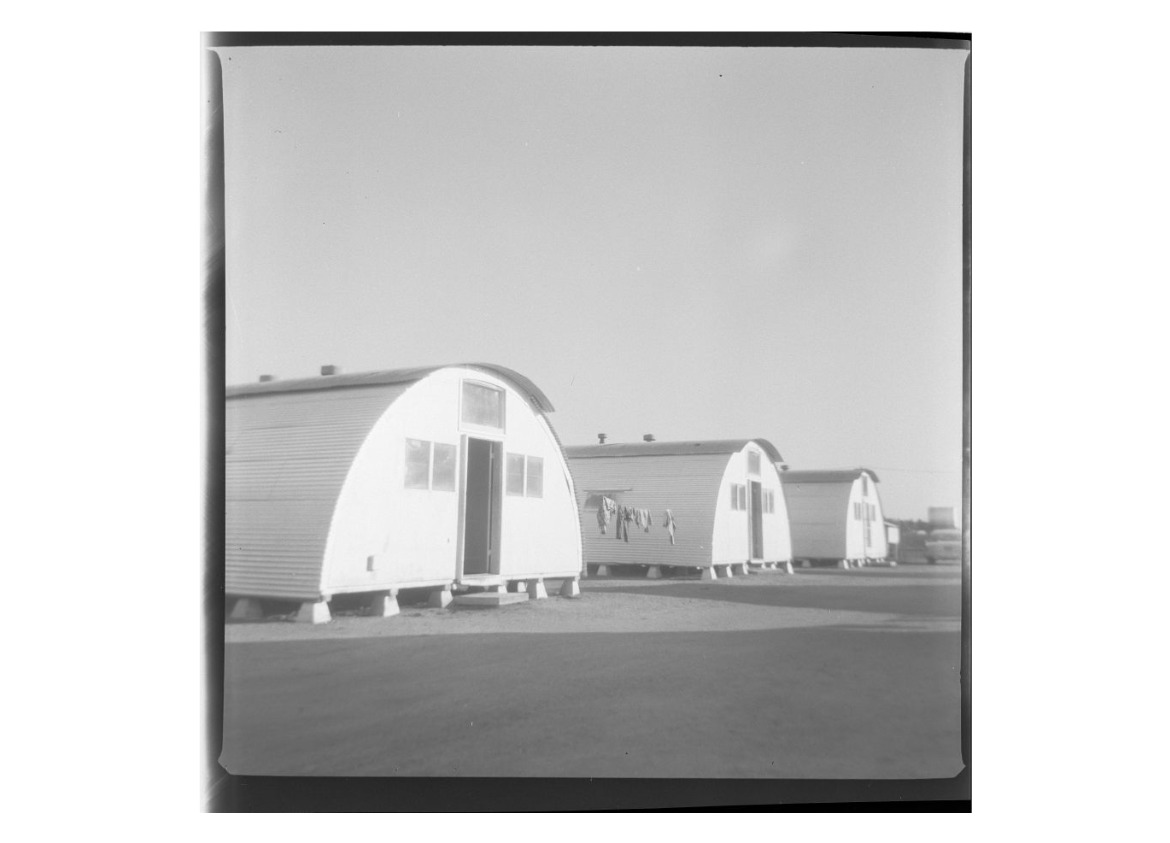
The housing and sanitation conditions for Bracero workers were often terrible, reflecting the neglect and exploitation inherent in the program. Many Braceros lived in overcrowded and unsanitary labor camps, with limited access to clean water, proper sanitation facilities, and basic amenities. These living conditions were not only inhumane but also posed significant health risks, contributing to the spread of diseases among the workers. In some instances, Braceros were housed in repurposed structures, such as old slave quarters or barns, highlighting the racialized and dehumanizing treatment they experienced. The poor housing and sanitation conditions were a direct result of agribusinesses prioritizing profit over the well-being of their workers, with little oversight or accountability from government agencies.
Henry Pope Anderson was a prominent labor activist and researcher who played a crucial role in documenting and exposing the terrible housing and sanitation conditions faced by Bracero workers. Through his investigations, Anderson revealed the systemic failures of the Bracero Program, including the widespread neglect of workers’ basic needs. His work brought attention to the inhumane living conditions in labor camps, where Braceros were often forced to live in squalor, with inadequate shelter, poor ventilation, and unsanitary facilities. Anderson’s findings were instrumental in advocating for reforms, although the implementation of these changes was often slow and inconsistent. The housing and sanitation issues faced by Braceros were emblematic of the broader exploitation and racialization of migrant labor, highlighting the need for stronger protections and accountability in labor programs. Anderson’s work serves as a critical reminder of the human cost of economic exploitation and the importance of advocating for the rights and dignity of all workers.
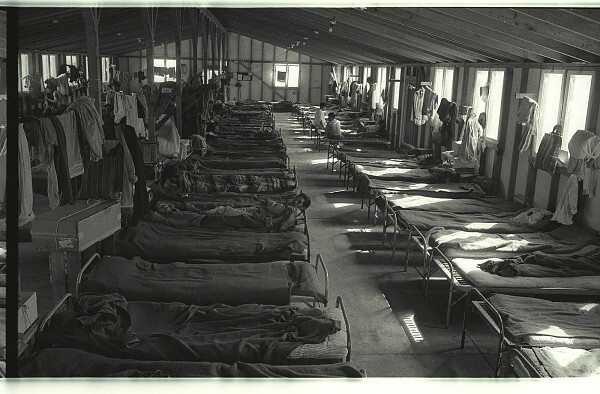
Braceros sit and lie on their beds in a living quarter at a camp in California