Worker Condition
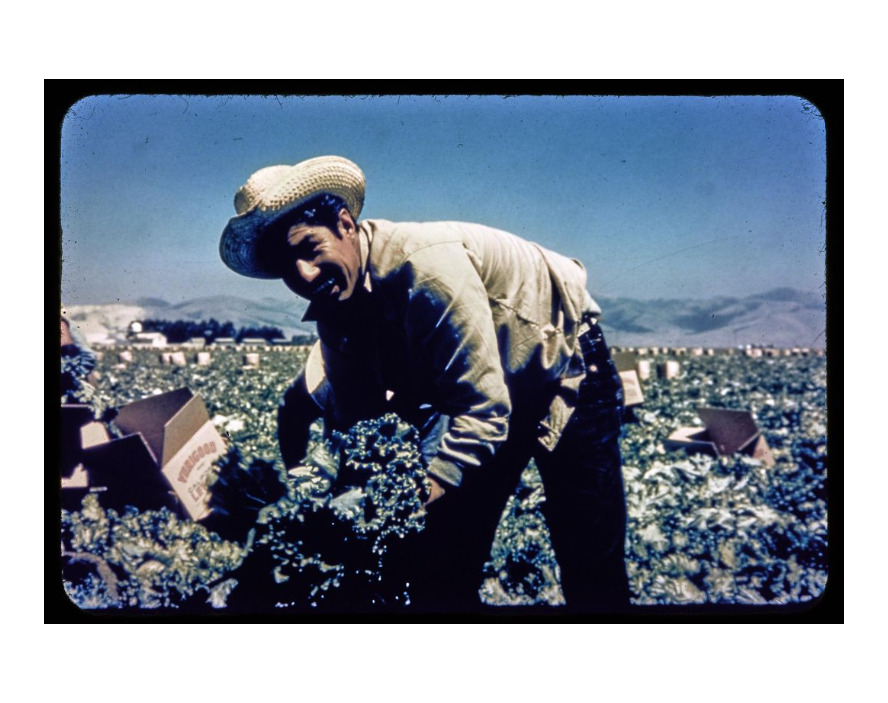
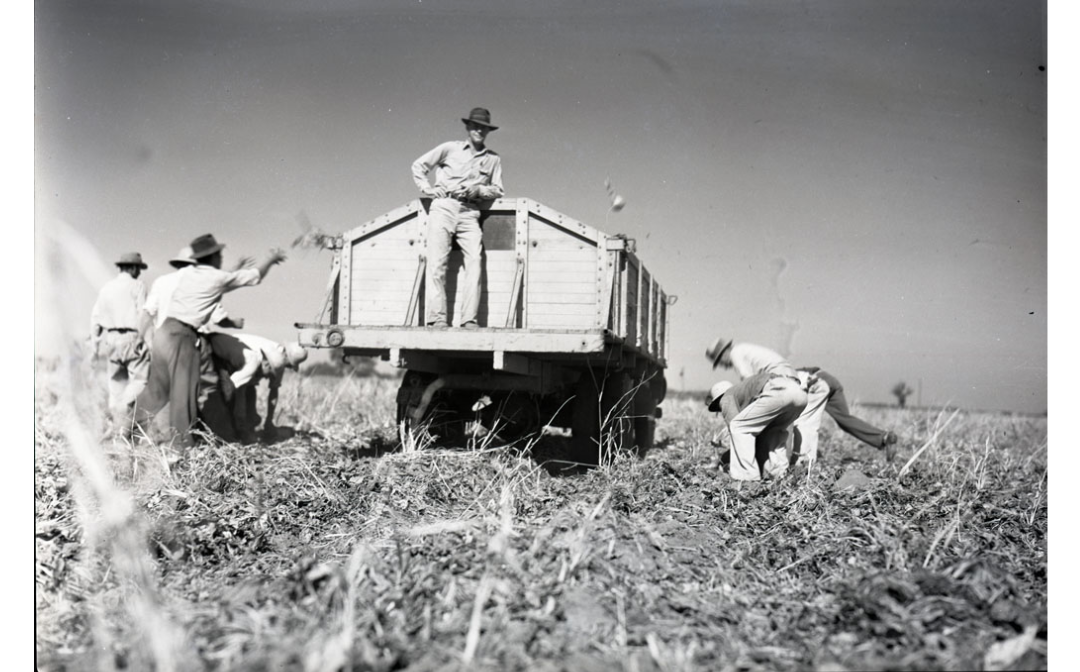
Farm working conditions for braceros in California demanded grueling labor and fueled widespread exploitation. Braceros toiled long hours under the blazing sun in fields statewide, harvesting crops like cotton, grapes, and vegetables. The work exhausted them physically, often without sufficient breaks, hydration, or safeguards against pesticides. Employers housed them in substandard, overcrowded quarters, frequently isolated from urban areas, cutting off access to social or legal support. These harsh conditions battered their physical health and trapped them in a relentless cycle of poverty and reliance on farm owners.
In addition to the demanding physical labor, Braceros endured hazardous working conditions in the fields. Exposure to agricultural chemicals was common, with little to no protective gear provided, leading to health issues over time. The tools and machinery used were often outdated or poorly maintained, increasing the risk of accidents. Discrimination was rampant; Braceros were frequently treated with disdain, seen as disposable labor rather than human beings with rights. Despite contractual agreements promising fair treatment, the reality was that many Braceros had no recourse for grievances like wage disputes or unsafe working environments, as enforcement of labor laws was minimal. This environment of exploitation in California's farms under the Bracero Program underscored a broader narrative of labor rights abuses, highlighting the severe disconnect between policy intentions and actual practice.