Banned Practices
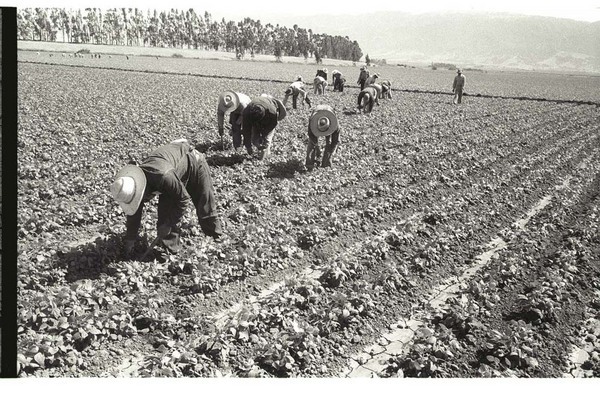
During the Bracero Program, several exploitative practices were eventually recognized and banned due to their severe impact on workers. One notorious tool was the "short-handled hoe" or "el cortito," which was widely used in California's agricultural fields, particularly for weeding and thinning crops. This tool forced workers to bend over for prolonged periods, leading to chronic back injuries, muscle strains, and other health issues. The use of this short-handled hoe was particularly inhumane because it was designed to keep workers in a stooped position, which was not only physically taxing but also a means to control the pace of work by limiting how quickly workers could move. After years of advocacy by labor activists like Cesar Chavez and the United Farm Workers, the short-handled hoe was finally banned in California in 1975, acknowledging its detrimental effect on workers' health.
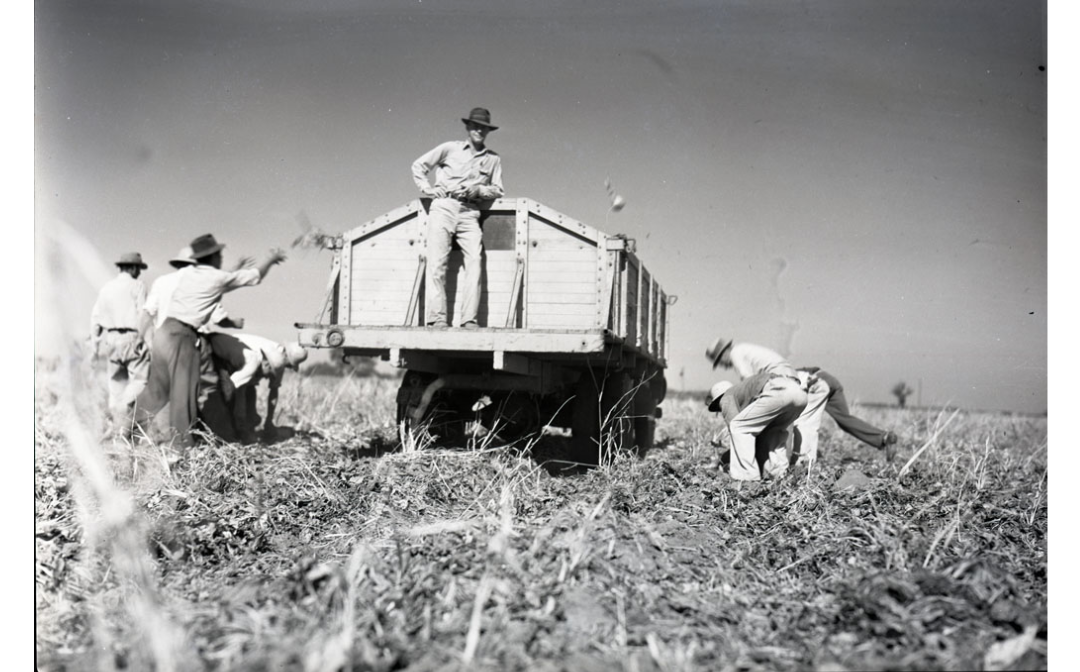
Another banned practice during the Bracero Program involved the use of the "carreta," a primitive, two-wheeled cart used for hauling produce across the fields. The carreta was notorious for its lack of ergonomic design, often requiring workers to pull heavy loads by hand over uneven ground, leading to numerous injuries including sprains, strains, and in severe cases, back injuries from the repetitive and strenuous labor. After years of advocacy by labor activists, the use of the carreta was banned in recognition of the health hazards it posed to workers, aiming to prevent the long-term physical toll on Bracero laborers. This ban was part of a larger movement to improve working conditions, acknowledging the need for more humane and less physically damaging tools in agricultural work.