Introduction
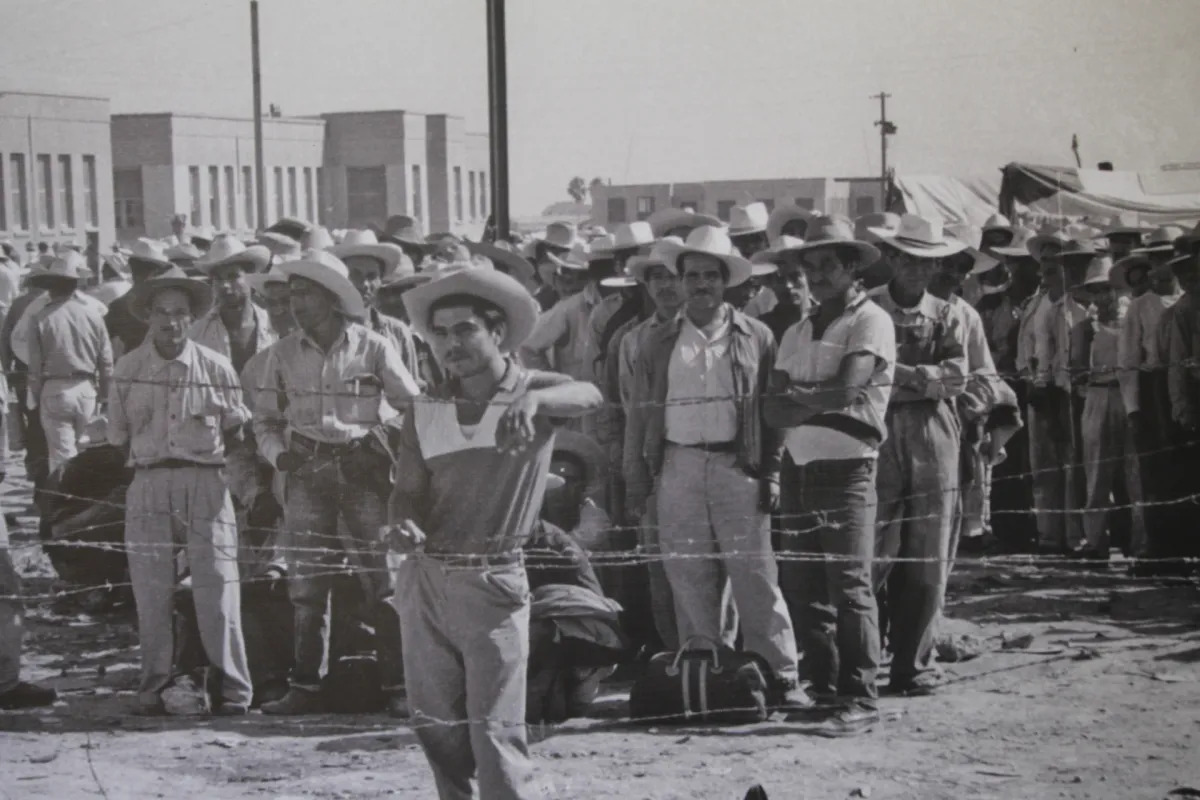
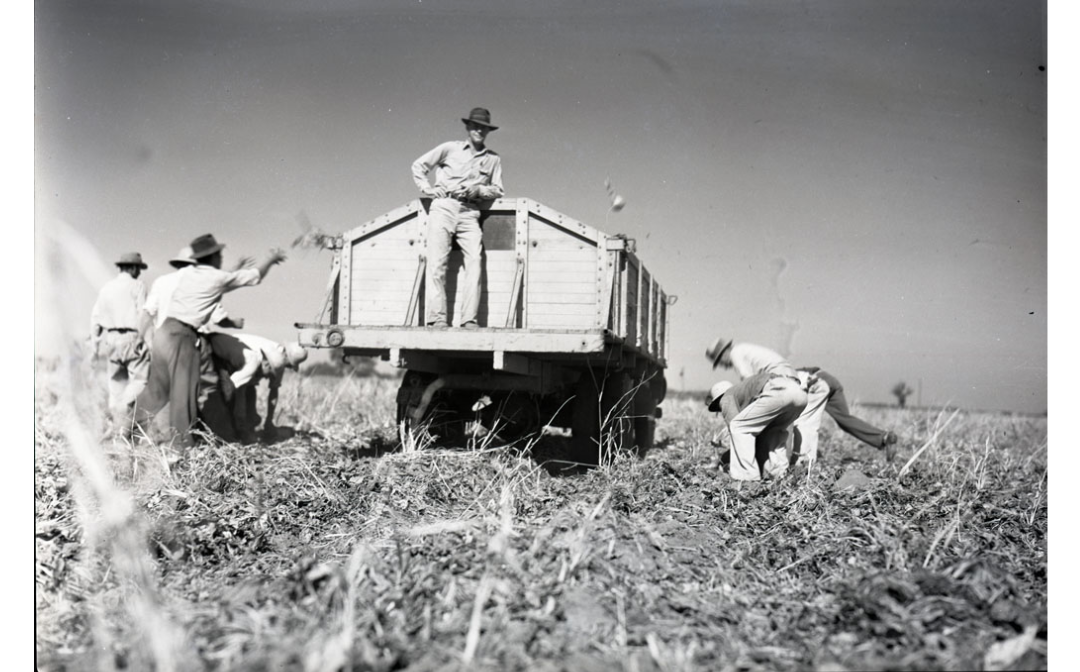
California played a central role in the Bracero Program (1942-1962). This program was a formal agreement between Mexico and the United States that allowed Mexican laborers, known as braceros, to work in American agriculture. Designed to address wartime labor shortages, the program became a long-term solution for the U.S. agricultural industry’s reliance on Mexican labor. While the Bracero Program provided economic opportunities for thousands of workers, it also raised significant humanitarian concerns. California, as a major agricultural hub, became a focal point for studying the program’s impact on labor rights, social structures, and racial dynamics.
The Bracero Program deeply embedded discrimination, actively shaping Mexican laborers' experiences from recruitment to employment. Employers subjected many braceros to inhumane working conditions, paying them lower wages than their American counterparts despite their performing the same arduous tasks. Employers frequently violated contract terms, withholding wages, forcing braceros to work excessive hours, and providing substandard living conditions. Growers widely practiced racial discrimination, segregating braceros from white workers and denying them access to basic amenities. Moreover, employers and local communities expressed hostility toward braceros, resenting their presence. The program also perpetuated a cycle of exploitation, severely limiting braceros' ability to seek justice for unfair treatment due to inadequate legal protections; they faced significant barriers such as language differences, lack of access to legal representation, and a system that rarely held employers accountable, leaving them vulnerable and powerless to challenge abuses, which further entrenched systemic inequalities within the American labor force.